Last updated: 2026-08-01 by Ted Sellers, Owner
In Minnesota, most roofs last 15 to 50+ years, depending on material, installation quality, ventilation, drainage, and storm exposure. Asphalt shingles typically last 15–25 years, metal roofs 30–50+ years, TPO 15–25 years, and EPDM 20–30 years. Real-world lifespan can be shorter if maintenance is neglected.
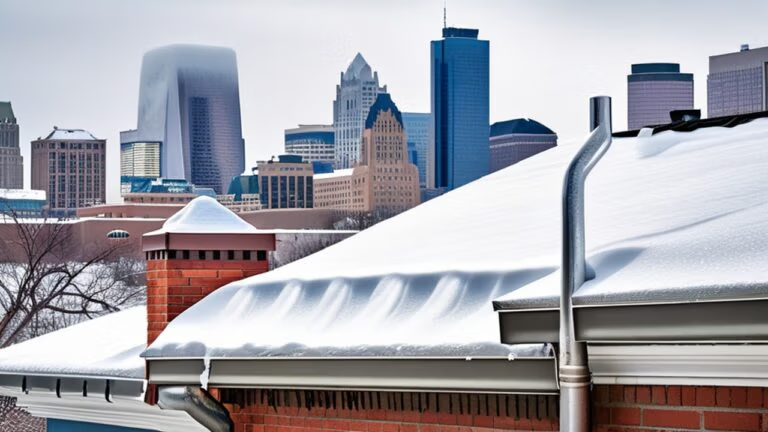
Minnesota roofs endure extreme seasonal stress. Winter freeze-thaw cycles expand and contract materials. Snow loads add weight. Ice dams push water under shingles. Summer storms bring hail and high winds. Over time, these forces reduce roof longevity compared to milder climates.
For homeowners and business owners, roof lifespan isn’t just a number — it affects budgeting, insurance planning, and long-term property protection. This guide explains realistic lifespan ranges for common roofing systems in Minnesota, what shortens roof life, and how to extend performance before replacement becomes necessary.
This guide keeps it practical: how to think about roof longevity in Minnesota conditions, what ranges are realistic for common systems, and what to do when a roof is aging but not failing (yet).
When This Applies
Who should use these lifespan ranges (and who shouldn’t)
These timelines fit most Minnesota buildings that have typical exposure and standard maintenance, including retail, warehouses, offices, and mixed-use properties in the Twin Cities and nearby areas.
They’re most useful when you’re planning capital expenses for commercial roofing, comparing bids, or deciding whether you’re heading toward commercial roof replacement or roof replacement within the next few years.
They don’t apply as cleanly if your roof has any of these exceptions:
- Repeated hail impacts or other severe weather, tree damage, or chronic wind uplift
- Ongoing ponding water on low-slope areas
- A history of multiple overlays, hidden wet insulation, or trapped moisture
- Heavy rooftop traffic from HVAC work without walkway pads
If you need a plain-language explanation of why roofs age the way they do, this GAF overview of how commercial roofs age does a good job describing the typical wear patterns.
How long do roofs last in Minnesota?
Think of lifespan like a truck’s mileage rating. It’s a solid baseline, but the driver and the roads matter. Minnesota’s “roads” include ice dams, thermal shock, and long stretches of snow sitting on a roof.
| Roof type | Common Minnesota lifespan | What usually ends it first |
|---|---|---|
| Asphalt shingles (steep-slope) | 15 to 25 years | Granule loss, seal failures, wind damage, poor attic ventilation |
| Metal roofing (standing seam or exposed-fastener) | 30 to 50+ years | Fastener back-out, sealant failure, oxidation, movement at details |
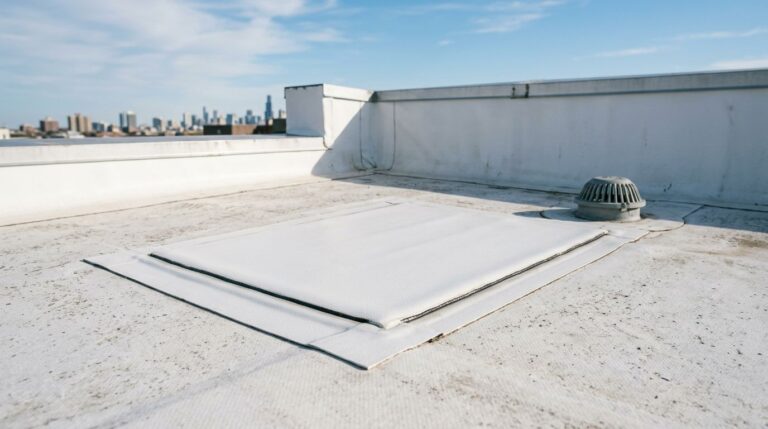
| TPO roofing (single-ply) | 15 to 25 years | Seam stress, flashing failures, punctures, poor drainage |
| EPDM roofing (rubber) | 20 to 30 years | Detail work at penetrations, shrinkage stress, patches done wrong |
Note that while three-tab shingles are common for asphalt shingle roofs, upgrading to architectural shingles can significantly improve roof durability and resistance to ice dams.
Material matters, but details matter more. On commercial buildings, most early failures start at flashings, edges, drains, and penetrations, not in the middle of the field membrane.
If you manage a low-slope flat roof property and want a local baseline for options, costs, and service types, a Saint Paul commercial roofing company overview can help you compare systems in one place.
Step-by-Step
How to estimate remaining roof life without guessing
- Identify the system and slope. Confirm whether you have asphalt shingles, metal roofing, TPO roofing, or EPDM roofing, and whether it’s steep-slope or low-slope. This determines what failure signs actually mean.
- Find the roof’s “real age.” Use permits, invoices, or photos from past roof maintenance work. If there was an overlay or partial recover, note that, it changes expectations.
- Check the weak points first. Walk the perimeter and look at coping, termination bars, edge metal, and transitions. Many “roof leaks” are detail leaks.
- Look for moisture clues inside. Stains that grow after each thaw, musty smells, and ceiling tiles that warp often point to wet insulation and water damage, which can shorten life fast.
- Match symptoms to your material. Asphalt shingles tend to show granule loss, attic ventilation issues, and visible wear; metal roofing often fails at fasteners and details; TPO roofing and EPDM roofing often fail at seams and penetrations.
- Document it like an asset. Photos and a simple roof map make it easier to budget and to hold repair work accountable.
How to choose repair, coating, or replacement for a commercial roof
- Choose repair when damage is localized. If most of the roof is dry and stable, targeted commercial flat roof repair at seams, curbs, drains, or edge details is often the best ROI.
- Consider coatings only when the base roof is sound. A coating can extend service life and boost roof durability, but it won’t fix wet insulation or failing flashings. Coatings are an “extend,” not a “save.”
- Plan roof replacement when problems repeat. If your commercial roof needs repair every season, or if leaks move around, you’re often paying for symptoms, not solving causes.
- Use drainage as the tie-breaker. Ponding water is a lifespan killer on TPO and EPDM. If you can’t correct slope or drains, repairs will keep cycling.
- Bid apples-to-apples. Compare thickness, insulation plan for energy efficiency, taper design, fastening method, modified bitumen, and warranty terms. For a quick neutral comparison of which materials tend to last longer in demanding conditions, see this commercial roof material durability comparison.
FAQ
Does Minnesota weather shorten roof life compared to other states?
Yes. Thermal cycling and freeze-thaw cycles stress seams and fasteners, snow load keeps surfaces cold and wet longer, and spring melt tests drainage. Minnesota also sees hail and high winds that can shorten life even when a roof looks fine from the ground.
Can TPO roofing really last 25 years in Minnesota?
It can, but only with solid welds, protected details, and good drainage. TPO roofing lifespan drops when seams are stressed by movement, ponding, or frequent rooftop foot traffic.
When TPO roofing fails early
Early failures often trace back to flashing work at curbs and penetrations, not the field membrane.
Is EPDM roofing better than TPO roofing for Minnesota cold?
EPDM roofing handles cold flexing well, which is why it has a strong track record in northern climates. The trade-off is that EPDM roofing performance depends heavily on detail work, adhesives, and how repairs are made over time.
Do premium materials like slate roofing offer higher roof longevity?
Yes, premium options such as slate roofing, clay tile, or wood shakes can provide superior roof longevity compared to many flat roof systems. However, they demand specialized installation, maintenance, and repairs to achieve those benefits in Minnesota’s demanding climate.
How do I know it’s time for commercial roof replacement instead of more repairs?
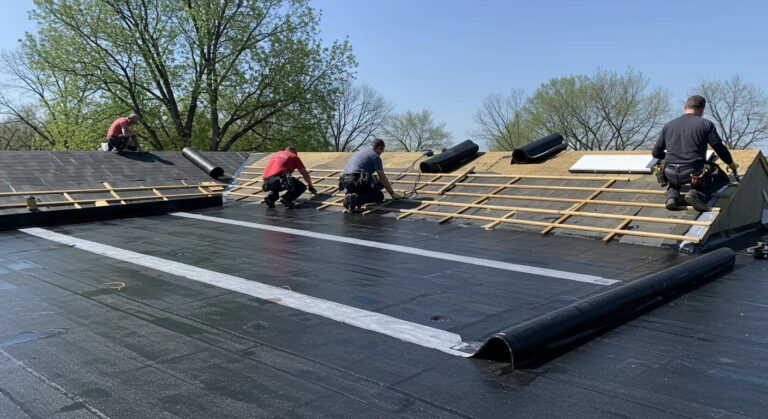
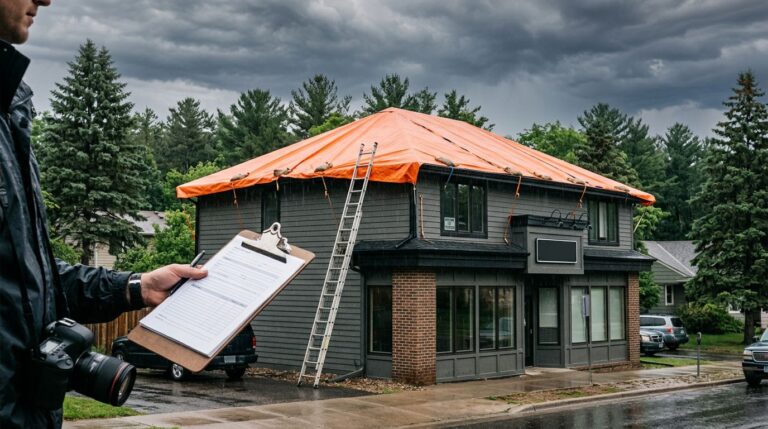
If leaks recur in different areas, insulation is wet, or repairs never “stick,” replacement is usually cheaper over a 5 to 10-year window. Schedule a professional inspection to assess the full extent of damage and make the final call. A roof that’s past its expected range and has recurring detail failures is also a strong candidate.
A common tipping point
When repair costs start to rival a down payment on a new system, it’s time to price both options.
What’s the biggest preventable cause of roof failure on commercial buildings?
Poor drainage and neglected details. A single clogged drain can turn a small defect into widespread saturation.
Routine inspections after major snow melt and storms often prevent the expensive surprises. In Minnesota, roof life is a mix of material and management.
If you treat the roof like an asset, track conditions, and fix detail issues early, you’ll usually get the full expected average lifespan and optimal roof longevity Minnesota buildings can reasonably achieve.
Need a roof inspection in Saint Paul or the Twin Cities? Call Sellers Roofing Company at +1-651-703-2336 or schedule a free estimate. We are a black-owned, NMSDC-certified MBE roofing contractor with 9+ years experience.