Last updated: 2026-08-01 by Ted Sellers, Owner
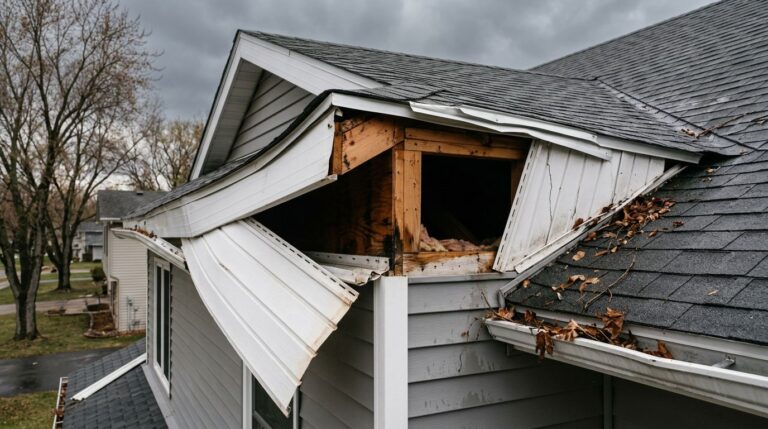
Yes, hail can damage stone-coated steel roofs in Minnesota. The roof may still look fine from the ground, but hail can dent the steel, chip the coating, loosen flashings, or open a leak path around details. Some damage is cosmetic. Some damage affects watertightness. The difference matters, especially when a commercial roof needs repair after a storm.
When This Applies
This question matters for business owners with offices, warehouses, shops, churches, and mixed-roof buildings that use stone-coated steel on one section. It also matters after a hailstorm when the roof still sheds water, because hidden damage can sit under the stone finish.
Who should pay attention
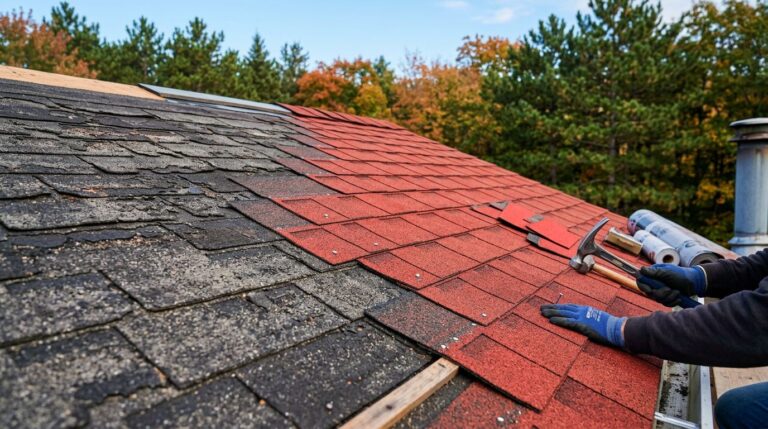
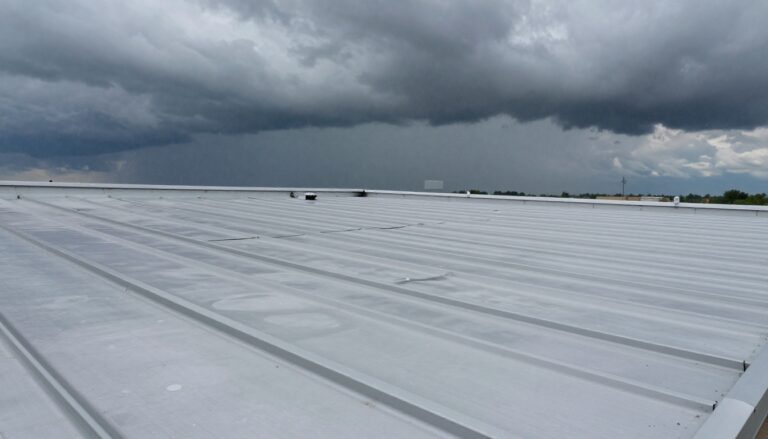
Stone-coated steel is tough, but it is not hail-proof. Hail can bruise the metal panel underneath the coating, knock loose stone granules, dent trim, and stress ridges, valleys, and flashing. On a mixed building, the low-slope addition may need commercial flat roof repair while the steel roof needs a different scope.
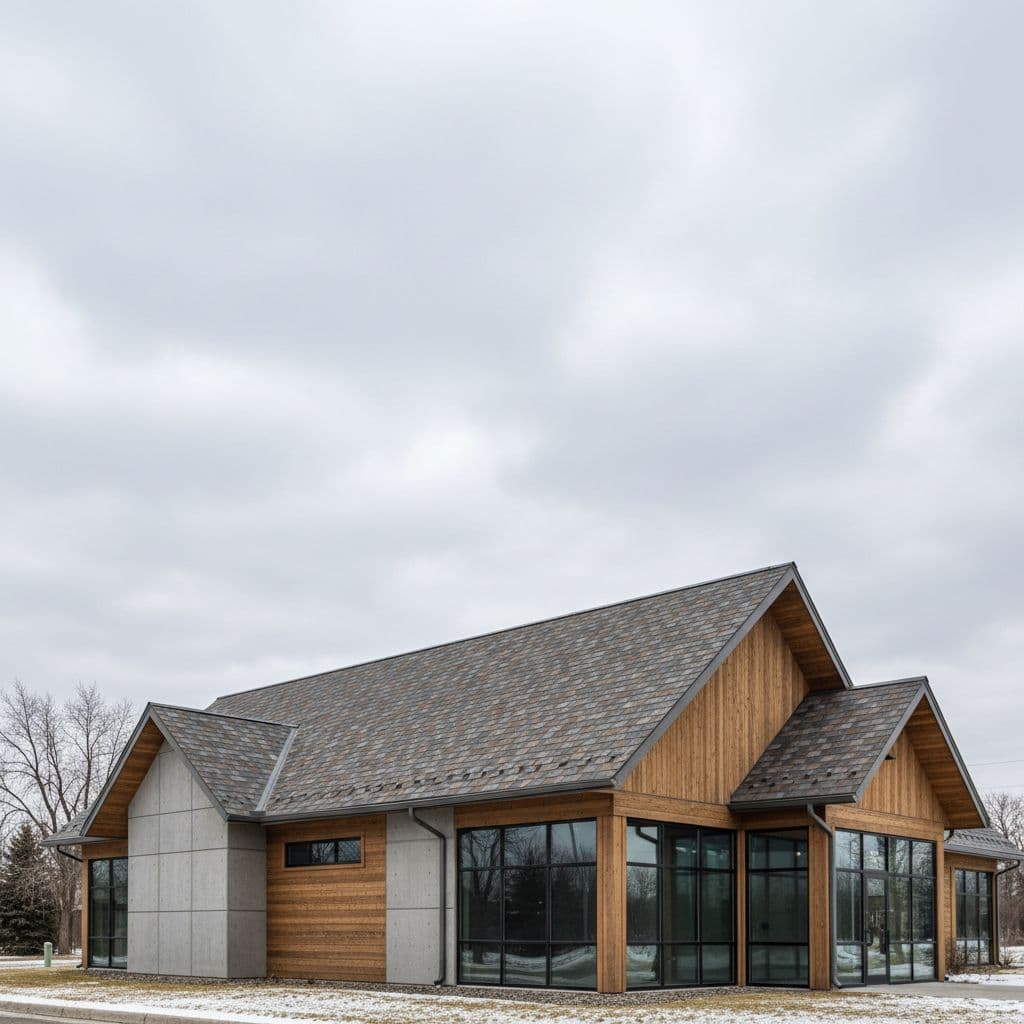
A roof can look fine from the parking lot and still have damaged seams, flashings, or fasteners.
When hail is probably not the main issue
Not every leak after a storm comes from hail. Old sealant, rust, foot traffic, poor detailing, ponding water on an adjacent section, or long-term wear can be the real cause. In those cases, the roof may still need work, but hail did not drive the problem.
If the damage is widespread and the system is nearing the end of its life, commercial roof replacement may make more sense than chasing patch after patch.
Step-by-Step
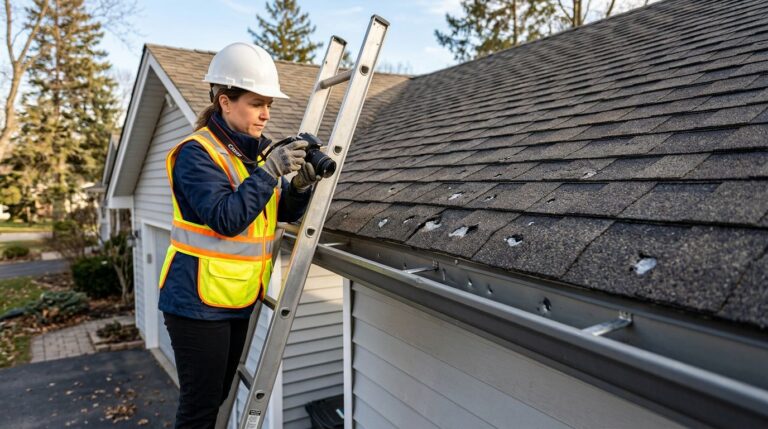
1. Inspect the roof safely after the storm
Do not send untrained staff onto a wet or steep roof. Use a qualified roofer, especially if the roof has slick stone-coated panels, loose debris, or active leaks inside.
Look for dents, chipped coating, bent ridge caps, shifted flashing, damaged fasteners, and marks around vents or skylights. On stone-coated steel, the impact can hide inside the finish, so a clean-looking roof is not proof of a clean roof.
2. Document what you see before anyone patches it
Take wide photos, close photos, and interior shots if water got inside. Add the date, time, and storm details. Save anything that shows where the leak started and where it traveled.
If the leak path is unclear, commercial roof leak detection services can trace the entry point before repairs cover the evidence. That matters when water shows up far from the actual impact area.
3. Separate cosmetic marks from functional damage
A few dents do not always mean the roof failed. The real question is whether the roof still keeps water out. Cracked sealant, loosened flashing, bent trim, and open seams are different from surface dents.
When repair is enough
Repair works when the damage is local, the rest of the roof is sound, and matching parts are available. A small number of damaged panels or details can often be fixed without touching the whole system.
When replacement is smarter
Replacement becomes the better call when hail hits many sections, moisture has spread, or the roof has repeated leaks. If a roofing system is already old and brittle, the cost of repeated service calls can pass the cost of a planned commercial roof replacement.
4. Build the claim file with the right numbers
Insurance claims get messy when the scope is vague. Keep the photos, contractor notes, measurements, and repair estimate together. Ask whether the payment is based on replacement cost or actual cash value, because depreciation may be released later after the work is finished and documented.
Also confirm the deductible and any ordinance or law coverage if the repair touches code-related items. If the first estimate is short, a supplement can add missed line items, but it should tie every extra dollar to documented hail damage.
5. Choose repair, section replacement, or full replacement
When a commercial roof needs repair after hail, the right answer depends on how far the damage spread. If the hit is limited to one area, repair may be the best move. If the panels, trim, and flashings failed across broad areas, section replacement or full replacement may protect the building better over time.
A commercial roofing services in St. Paul inspection can help sort out where hail damage ends and old wear begins. That matters on mixed properties, where a steel slope, a membrane roof, and a metal canopy may all need different scopes.
How Minnesota Weather Can Turn Small Hail Hits Into Bigger Problems
Freeze-thaw widens weak spots
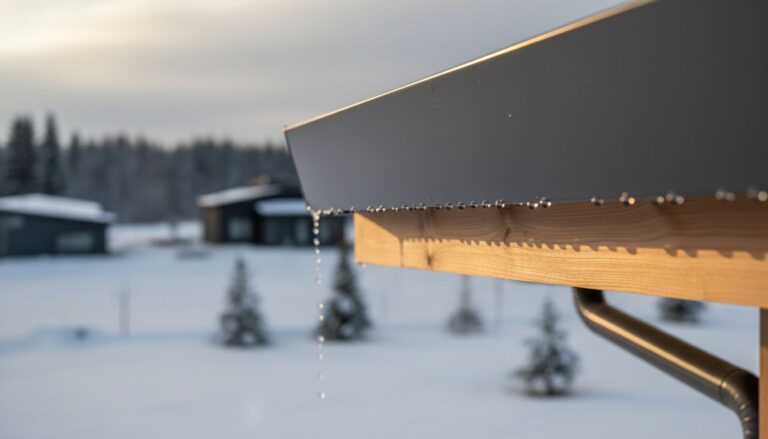
Minnesota weather can turn a small hail hit into a leak months later. A dent or cracked seal may not leak on day one, but repeated freezing and thawing can open the weak point wider. Once water gets behind trim or under flashing, the repair gets harder and more expensive.
Stone-coated steel handles cold weather well, yet no roof likes trapped moisture. If hail loosened a detail in spring, summer rain or fall freeze-thaw can expose it fast.
Wind and snow add stress after the storm
Hail rarely acts alone here. Wind can push on loosened edges, and snow load can stress valleys, fasteners, and flashings. A small defect that might have stayed quiet in a dry climate can turn into a roof problem after the next storm cycle.
That is why fast inspection matters. Waiting gives water, wind, and ice more time to use the same weak spot.
Conclusion
The real test is whether the roof still sheds water
Yes, hail can damage stone-coated steel roofs in Minnesota. The damage is often hidden at first, and it does not always look dramatic. Dents, coating loss, loose flashings, and stressed fasteners can matter more than the visible bruise.
If the roof still sheds water, repair may be enough. If the roof leaks, fails in multiple areas, or has widespread damage, the bigger scope may be the right answer. The best move is to document first, inspect carefully, and then choose the fix that fits the damage.
FAQ About Hail and Stone-Coated Steel Roofs
How can I tell hail damage from normal wear on a stone-coated steel roof?
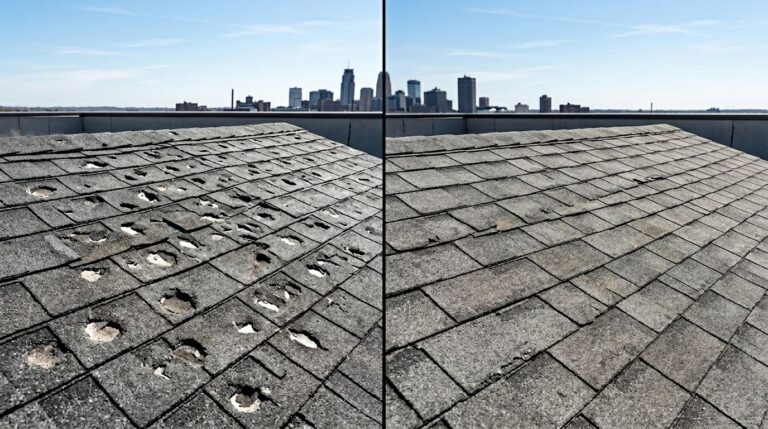
Hail damage usually shows up in clusters after a storm. Normal wear appears more slowly, with fading, rust, loose sealant, or age-related scuffs. If the marks appeared right after the hail event, they deserve a closer look.
Can a stone-coated steel roof leak without visible holes?
Yes. Water can enter at ridges, flashings, fasteners, vents, skylights, and trim details. The roof may still look intact from below. That is why leak tracing matters when the source is not obvious.
Is repair enough after hail, or do I need replacement?
Repair is enough when the damage is local and the rest of the roof still performs well. Replacement makes more sense when hail damage is spread across many areas, or when the roof already has old leaks and weak details.
Will insurance cover hail damage on an older roof?
Often, yes, but the policy controls the payment. Some claims start with actual cash value, while others pay replacement cost and release more later. Old wear, poor maintenance, or pre-existing damage can limit what the carrier pays.
What should I do if the damage is hard to prove?
Save every photo, estimate, date, and storm note. If water got inside, document the interior too. When the source is unclear, leak detection helps build the case before permanent work hides the evidence.
Need a roof inspection in Saint Paul or the Twin Cities? Call Sellers Roofing Company at +1-651-703-2336 or schedule a free estimate. We are a black-owned, NMSDC-certified MBE roofing contractor with 9+ years experience.