Last updated: 2026-05-26 by Ted Sellers, Owner
After a storm, knowing how to temporarily tarp a roof can stop a minor leak from spreading and causing serious interior water damage, including soaked insulation, damaged drywall, and ruined flooring.
Assess the damage and choose DIY or a pro
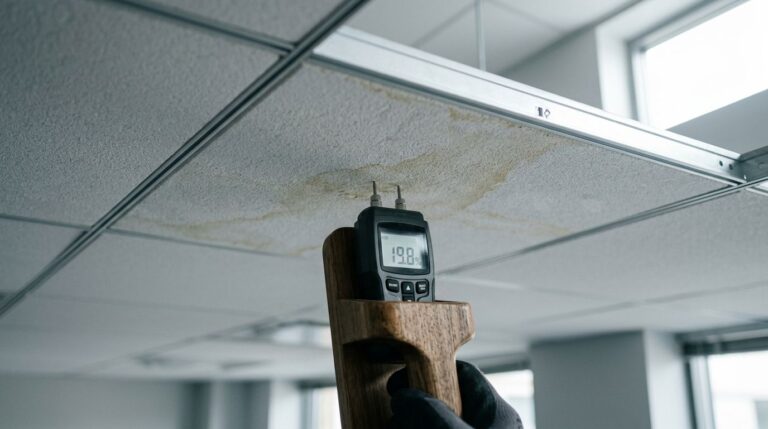
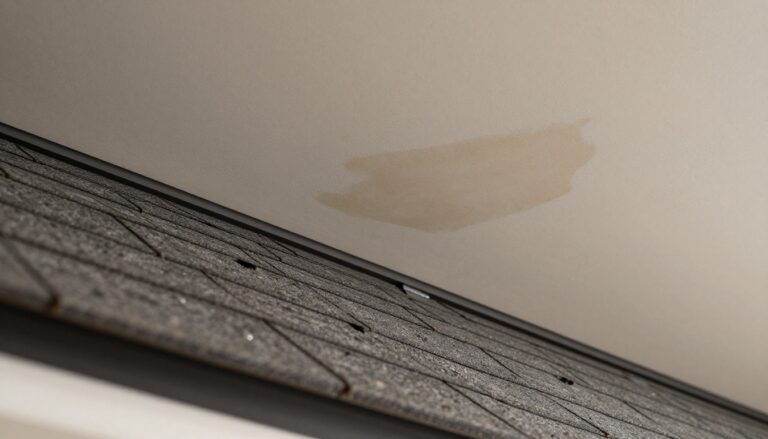
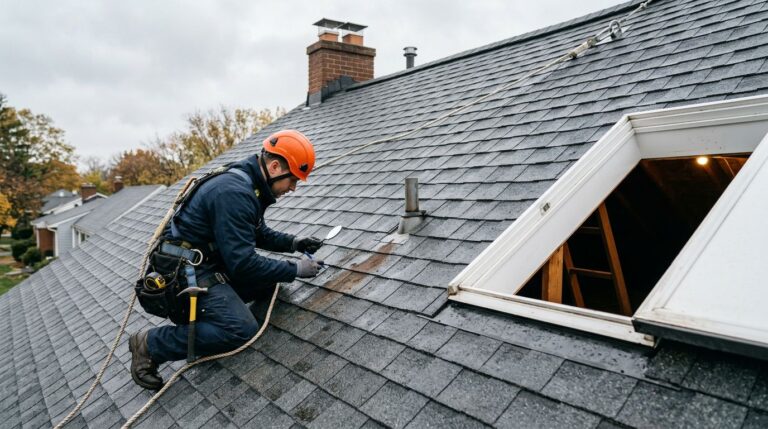
Begin outside with binoculars, looking for missing shingles, displaced flashing, torn valleys, or debris that could indicate the point of entry. Then check the attic with a flashlight for water stains, active drips, mold, or daylight through the deck. Comparing exterior and interior signs helps you decide urgency.
Call a pro if you see an open hole through the deck, a large section missing, active leaks into electrical areas or living spaces, or daylight where it shouldn’t be. DIY tarping is appropriate only for small repairs on low-slope roofs with sound decking and no structural damage.
If you choose to do it yourself, work with a helper and gather a heavy-duty tarp sized to extend 3 to 4 feet past the damage, 2×4 battens and corrosion-resistant fasteners, plywood for large holes, sandbags or deadweights, and basic PPE.
Choose the right tarp and calculate the size
Match tarp material to how long the temporary cover must last. Reinforced HDPE or commercial vinyl resists UV, tearing, and abrasion and can hold for several months when properly anchored, while thin blue polyethylene suits immediate, short-term needs.
For residential and light commercial work, pick a reinforced tarp around 10 to 12 mil with tight grommet spacing and UV treatment to avoid repeated re-tarping after the next wind event.
Measure the damaged footprint, adjust for pitch, and add overlap for secure anchoring and ridge coverage. For example, a 30 by 40-foot flat footprint is 1,200 square feet; a 6:12 pitch increases surface area by roughly 12 percent, and adding 3 to 4 feet of overlap on each edge or using a 1.3 safety multiplier gives room to fasten and manage runoff.
When unsure, round up to the next standard tarp size and keep receipts, photos, and tarp specs for your contractor and insurer.
How to temporarily tarp a roof: five practical steps
- Clear loose shingles, nails, branches, and debris so battens and the tarp lie flat. From the attic, mark rafter locations and look for active drips; knowing rafter locations lets you place plywood patches and fasten battens into structure. Use a helper to hand materials and to stabilize ladders and sheets during the work.
- For holes that expose rafters, cut plywood patches that extend at least 6 inches beyond the damaged area and screw them to rafters or blocking. Two people should handle each sheet to avoid injury and to hold the patch tight while fastening. Patching creates a stable backing for battens and reduces the chance of tarp tears and water infiltration until permanent repair.
- Unroll and center the tarp over the damage, draping it over the ridge when practical so water runs away from the affected area. Keep the tarp tight to prevent ponding and flapping; for small local repairs you can tuck edges under intact shingles, but larger patches should be pulled over the ridge. Avoid walking on wet tarps, and keep traffic to a minimum while adjusting the cover.
- Wrap tarp edges over 2×4 battens and fasten through the batten, tarp, and into solid decking using corrosion-resistant screws or cap nails with wide washers, spacing fasteners about 12 to 18 inches. On single-ply or membrane roofs where penetration is not permitted, use sandbags, weighted straps, or approved deadweight systems sized to the roof type. Check fasteners and tension after wind or heavy rain and add anchors where movement appears.
- Check the attic for new drips and, if safe, run a light water test from the roof edge to confirm the temporary cover sheds water as intended. Photograph the installed tarp, fastener locations, and any patched decking, and log inspection times and actions taken. Keep receipts and tarp specs, then arrange permanent repair with a licensed roofer orEmergency Roof Tarping Saint Paul MN, 2026 Guideas soon as practical.
Anchoring methods: pros, cons, and recommended choices
Tucking a tarp under two rows of shingles can work on small, low-slope patches where shingles remain intact, but it risks loosening shingles and allowing water behind them if not sealed properly. Wood battens spread load across the tarp edge and reduce tear-out, making them the preferred DIY method on most sloped roofs; wrap the tarp edge over the batten and fasten into decking with corrosion-resistant fasteners and wide washers. Place fasteners over structural lumber when possible to ensure hold.
Mechanical anchors like screws with neoprene washers, cap nails, or large washers give the most durable hold when you can fasten into solid decking or rafters, and they should be removed before permanent reroofing to protect warranties. When penetrating the roof surface is not allowed, rely on non-penetrating anchors such as sandbags, weighted straps, or professional deadweight systems, but make sure they provide enough mass and are secured so they won’t shift in wind. Avoid anchoring only at corners or leaving slack that lets the tarp flap and tear.
Safety checklist: ladder, PPE, and conditions to stop work
Start with ladder safety: set ladders on level, firm ground, extend the top at least three feet above the eave for a stable handhold, and secure the ladder with a tie-off or spotter at the base. Keep three points of contact while climbing and never carry heavy loads on the ladder; for extended work use roof jacks or scaffolding to reduce fatigue and fall risk. Use a helper to pass materials and steady ladders during moves.
Wear non-slip footwear, heavy work gloves, and eye protection, and use a full-body harness tied to an approved anchor when working on steep slopes or where edge protection is absent. Do not walk on wet tarps or tarps laid over suspected soft decking; a tarp can hide a weak spot and increase the fall risk. Stop work immediately in high wind, lightning, heavy rain, after dark, or when the roof shows visible sag or soft spots and call a licensed roofer for electrical hazards or suspected structural failure.
Aftercare, documentation for insurance, and next steps for permanent repair
Inspect the temporary cover daily for the first 72 hours, then switch to weekly checks and after any major weather event. Look for flapping edges, pooling water, loose battens or fasteners, and new attic stains, and keep a written log of who inspected, what they found, and any quick fixes performed.
Take wide context shots and close-ups, date-stamp photos if possible, and retain the initial damage photos taken before work began. Keep a short timeline showing when the tarp went up and who performed the work, along with receipts and tarp specifications for your insurance claim.
Final steps for how to temporarily tarp a roof
Knowing how to temporarily tarp a roof protects assets and limits interior damage while you arrange permanent repair. Assess from the ground and attic, choose a reinforced tarp sized to cover the affected area plus overlap, secure it with battens or approved anchors, and log inspections and photos until the roof is permanently repaired. If the damage is extensive or conditions are unsafe, contact a licensed emergency crew rather than risking a DIY climb.
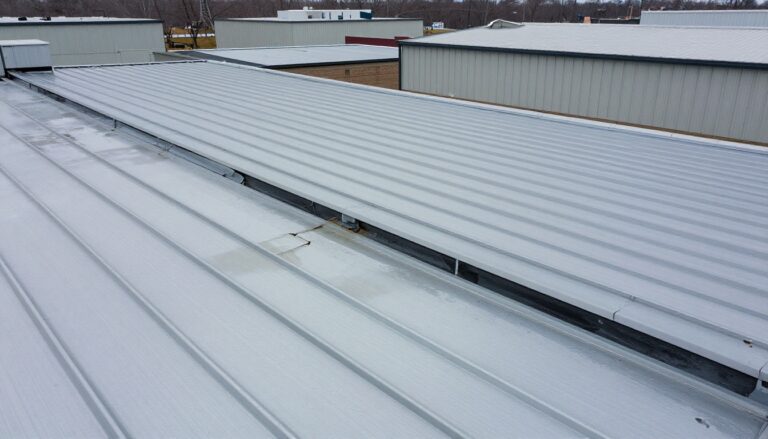
Your immediate next actions: measure the damaged span, acquire a heavy-duty tarp and recommended fasteners, and install a temporary cover only if conditions are safe and you have the right help. For commercial, industrial, or membrane roofs where warranties and specialized systems are involved, rely on licensed professionals to avoid additional damage and protect long-term asset value. Contact Sellers Roofing Company’s 24/7 emergency team to secure the roof and schedule a free inspection and written estimate.
Need a roof inspection in Saint Paul or the Twin Cities? Call Sellers Roofing Company at +1-651-703-2336 or schedule a free estimate. We are a black-owned, NMSDC-certified MBE roofing contractor with 9+ years experience.