Last updated: 2026-08-01 by Ted Sellers, Owner
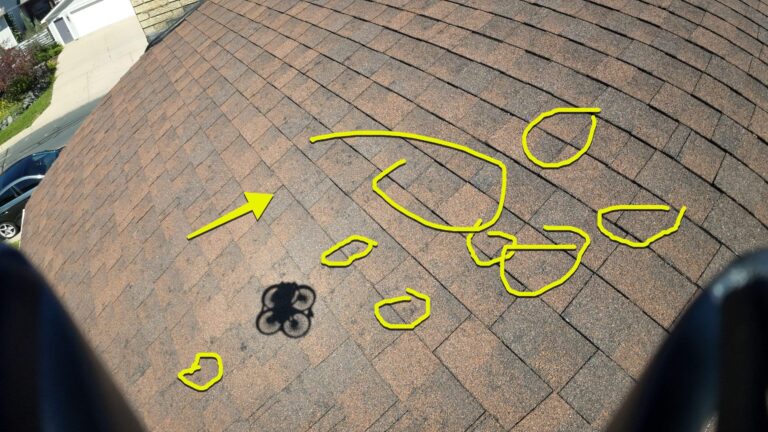
Yes. Wind can lift shingles, break their seal, crease them, and loosen fasteners without tearing them off. That still counts as damage. Once a shingle has bent upward, it often won’t reseal tightly, so the roof is more likely to leak, shed granules, or lose shingles in the next strong storm.
When This Applies
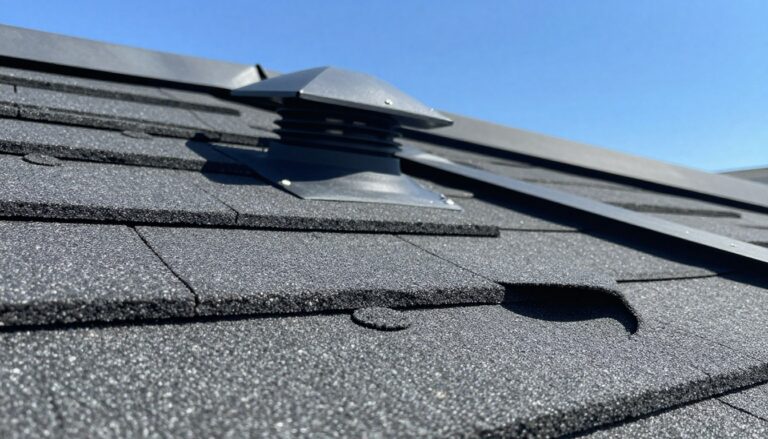
Wind-lifted shingles are common on buildings with sloped shingle sections
This mainly applies to business properties with asphalt shingles on steep-slope areas, not full membrane roofs. Think offices with decorative roof lines, apartment buildings, churches, retail fronts, and mixed-use buildings with mansards or entry canopies.
In these cases, wind damaged shingles may still look mostly normal from the ground. Yet the seal strip can break, the tab can crease, and nails can start to loosen. Think of a bent business card. It may lie flat again, but the fold never disappears.
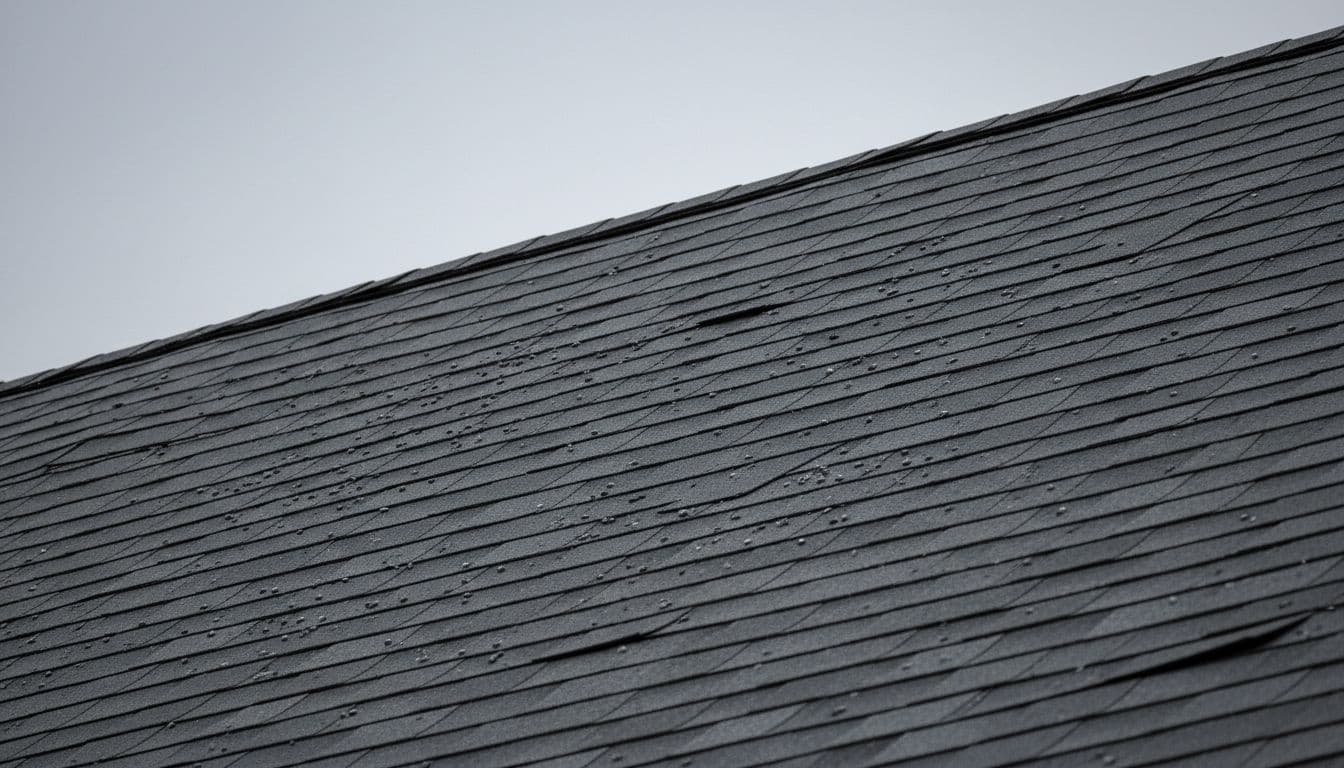
Once that bond breaks, water and future wind have an easier path under the shingle. That’s why a roof can be storm-damaged even when the yard is clear of blown-off pieces.
A shingle doesn’t have to be missing to be failed.
For business owners, the risk isn’t only rain. Once one tab lifts, nearby tabs catch more pressure. As a result, a quiet defect can become an urgent repair after the next gust. In cold climates, freeze-thaw cycles can also push trapped water deeper under a loosened shingle.
This does not apply to every commercial roof, and mixed systems change the answer
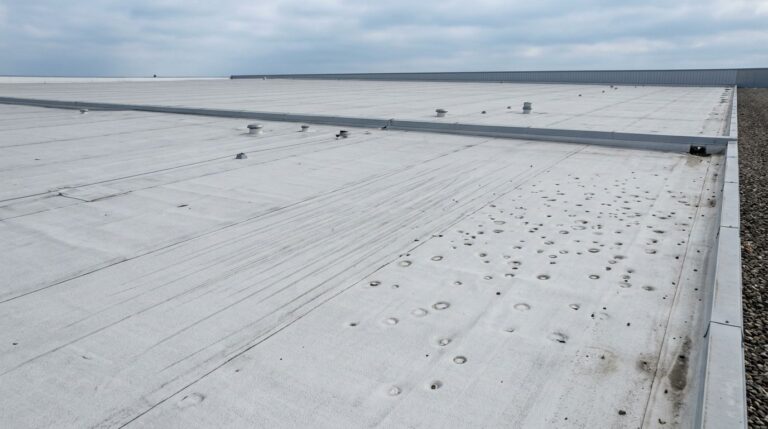
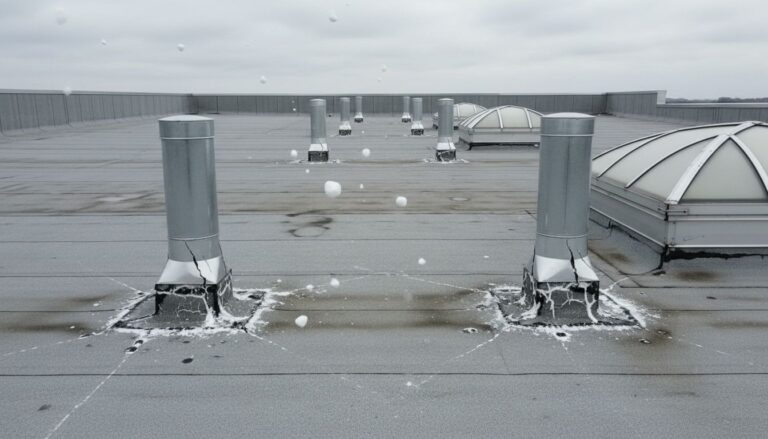
If your property has TPO, EPDM, PVC, built-up roofing, or standing-seam metal, the damage signs are different. Those systems don’t lift like shingles. Instead, you may see loose seams, membrane wrinkles, punctures, or flashing failure.
Some businesses have both roof types on one building. In that case, one storm can leave you with lifted shingles on a visible slope and a need for commercial flat roof repair on the main roof. If stains show up inside, commercial roof leak detection in Saint Paul can help trace hidden moisture before it spreads.
Many owners use “roof” as one bucket term, but the repair path changes by system. A shingle issue on a front slope and a membrane issue on the main deck need different materials, details, and labor.
The main exception is minor edge flutter with no crease and no seal break. A roofer still needs to confirm that. If the tab lifted and snapped back without damage, repair may stay limited. If it creased, shifted, or lost granules, your commercial roof needs repair even if every shingle is still attached.
Step-by-Step
1. Check the roof from the ground first
Start with binoculars and a slow walk around the building. Look for tabs sitting at odd angles, uneven roof lines, shiny spots where granules came off, and exposed nail heads near the lifted area.
Also check inside. Ceiling stains, damp insulation, and musty smells can show up before a visible drip. On commercial sites, early clues often appear around entrances, upper wall lines, and storage areas below sloped roof sections.
2. Document what you see right away
Take clear photos from several sides, then note the storm date and wind direction if you know it. Good records help with repair planning and any claim review.
Don’t press shingles back down yourself. A lifted tab can crack with one wrong step, and a fall risk isn’t worth it. If water is active inside, move stock, electronics, or furnishings away from the wet zone while you wait for inspection.
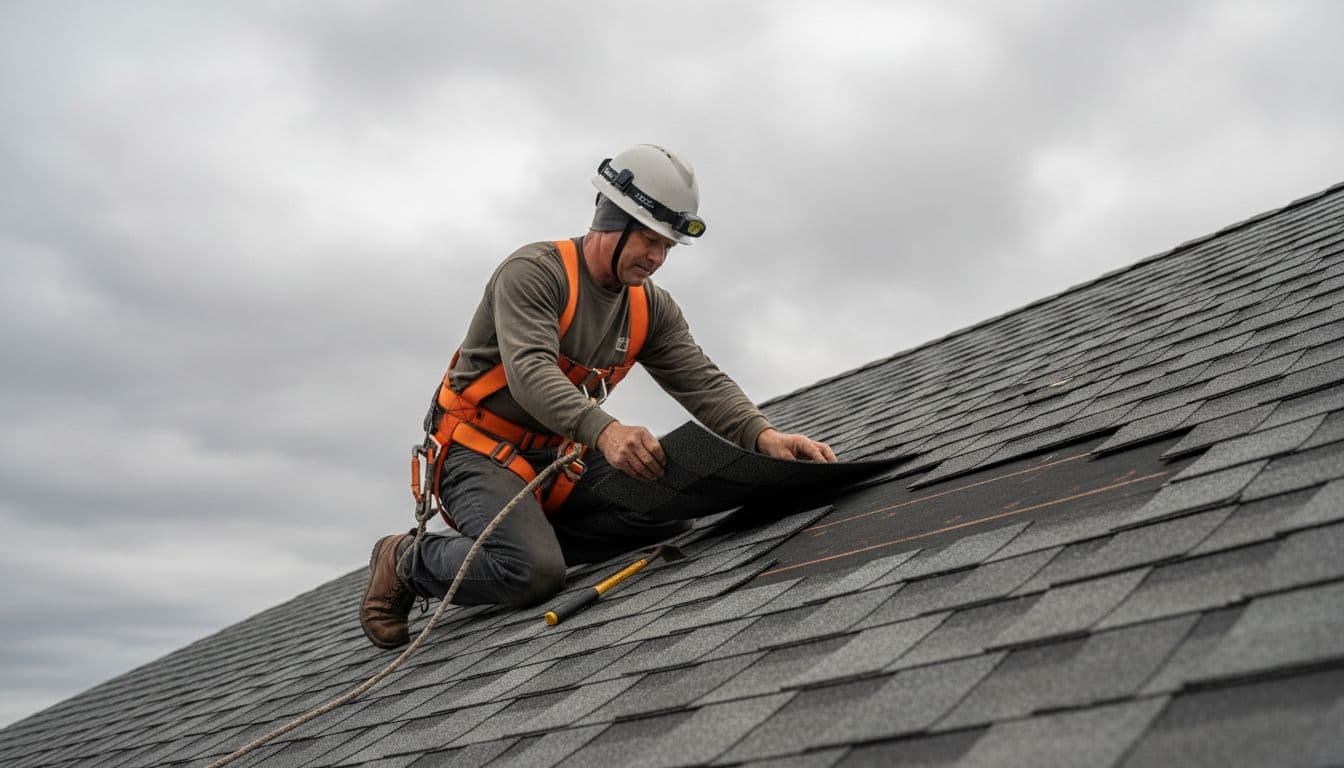
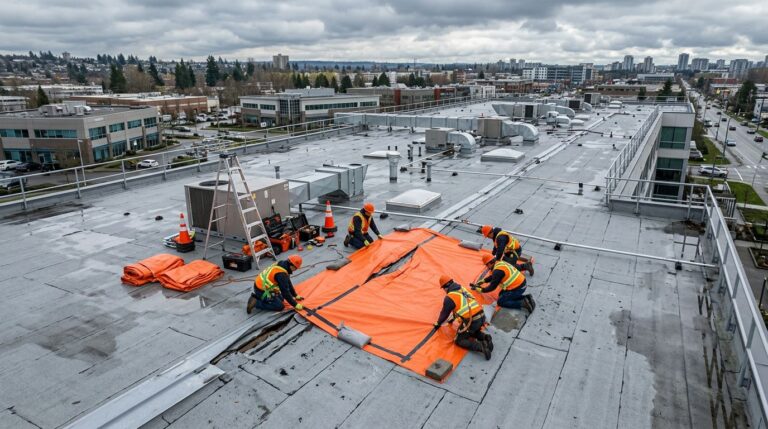
3. Have a roofer inspect the seal strip, fasteners, and surrounding area
A proper inspection answers the real question, not “Is it still on the roof?” but “Will it still perform?” The roofer should check for creases, broken adhesive strips, loose nails, torn underlayment, and soft decking below the damaged section.
A good inspection also shows whether the wind issue is isolated or part of a broader aging problem. That matters because repairable storm damage and end-of-life wear don’t lead to the same decision.
If your building has more than one roof type
Ask for the sloped shingle areas and flat sections to be checked in the same visit. Wind rarely damages only one detail. A mixed-system building may need shingle repair in one area and membrane work in another.
4. Repair early, replace only when the damage pattern calls for it
Small, isolated areas often need targeted shingle replacement and resealing. Broader storm exposure, repeated lifting, old brittle shingles, or widespread creasing can point toward commercial roof replacement instead.
Repair usually works best when the roof is still in decent shape and matching shingles are available. Replacement makes more sense when repairs would only patch over repeated weak areas.
If multiple slopes show the same failure, don’t wait for the next storm. A local team with experience in Saint Paul commercial roofing services can tell you whether repair is still cost-smart or whether the roof has moved past that point.
Common questions after wind lifts shingles
Will lifted shingles flatten back down on their own?
Sometimes they settle visually, especially in warm sun. Still, appearance isn’t performance. Once the adhesive strip breaks or the tab creases, the shingle usually won’t seal like it did before.
Can wind damaged shingles cause leaks weeks later?
Yes. Wind can open a path for slow water entry, especially during wind-driven rain. That’s why some owners see stains days or weeks after the storm, not the same afternoon.
Do insurance adjusters count lifted but unbroken shingles as damage?
They can, if the shingles lost their seal, creased, or had functional damage. Functional loss matters more than dramatic appearance, so photos and a roofer’s written findings carry weight.
What if only one roof section has shingle damage?
A partial repair may still make sense
If the damage is isolated and the surrounding shingles still flex well, a roofer may repair that section only. Age matters, though. Matching color and blend gets harder on older roofs, so repair isn’t always the best long-term option.
Is this a safety issue for tenants, staff, or customers?
It can be. A roof edge that keeps lifting may drop shingles or allow water into ceilings, insulation, and electrical areas. For occupied buildings, quick inspection reduces property risk and helps avoid business interruption.
A roof doesn’t need to look shredded to be storm-damaged. If wind lifted the tabs, broke the seal, or left creases behind, the weak spot is already there.
If a storm passed recently, schedule an inspection before hidden lift turns into open loss.
Need a roof inspection in Saint Paul or the Twin Cities? Call Sellers Roofing Company at +1-651-703-2336 or schedule a free estimate. We are a black-owned, NMSDC-certified MBE roofing contractor with 9+ years experience.