Last updated: 2026-08-01 by Ted Sellers, Owner
Yes. Hail can dent, crack, or loosen roof vents even when shingles look untouched. Vents sit above the roof plane, and many use thinner metal, plastic, or rubber parts than the surrounding roof. On a commercial building, that means a storm can damage a vent cap, boot, or flashing first, then let water in later.
When This Applies
Why roof vents can take hail damage first
This applies to owners of offices, retail buildings, mixed-use properties, and warehouses with exhaust vents, plumbing vents, or intake hoods. Any part that sticks up above the roof takes a harder hit than the flatter surface around it.
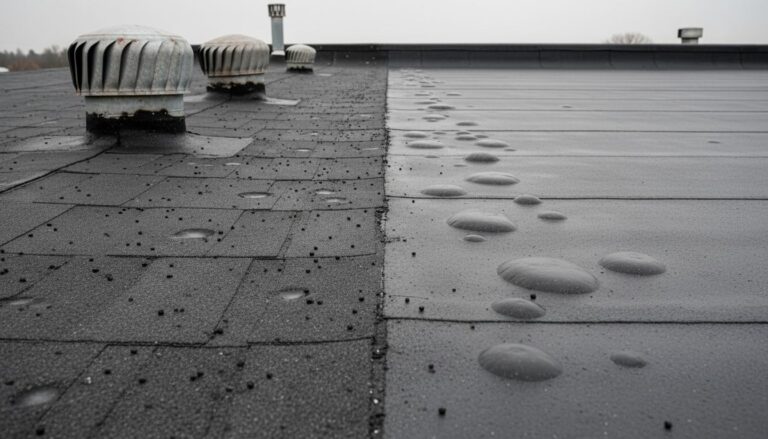
Roof vents are often made with thinner material than shingles. Some have metal caps, plastic housings, or rubber boots. Hail can dent those parts, split sealant, or bend the flange without leaving clear marks on the shingles below.
Angle matters, too. Wind-driven hail can strike the side of a vent cap or turbine head. Shingles mostly take top-down hits, so the vent may show damage first.
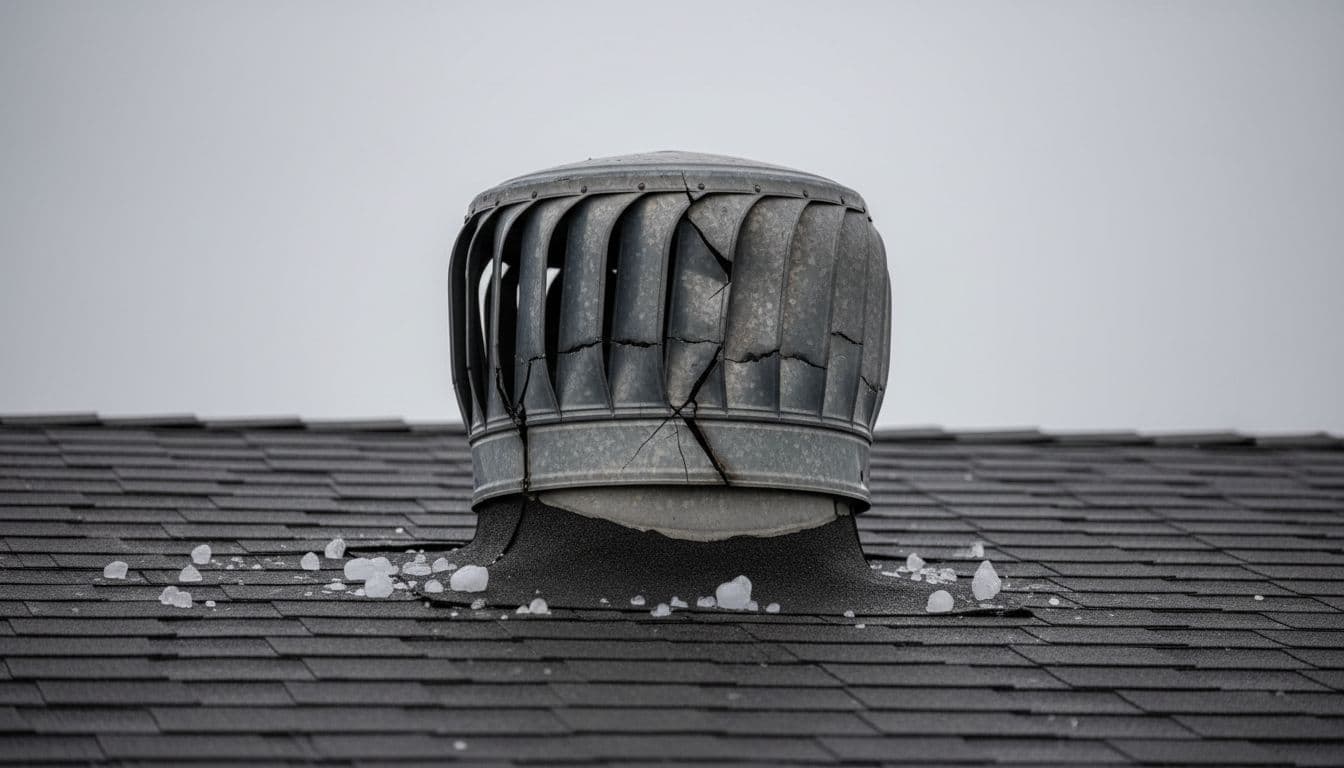
A dented vent with intact shingles is still storm damage, not a cosmetic shrug.
When it doesn’t apply, and the exceptions
It doesn’t apply when the storm was large enough to strike everything, or when old shingles already had weak spots. In those cases, the vent may be only one part of a wider damage pattern. Older sealant also dries out and cracks, which makes a minor dent more risky.
If your building took hail, pair a vent check with a full review by Saint Paul commercial roof repair experts. A quick look from the ground rarely tells the whole story.
Flat and membrane roof edge cases
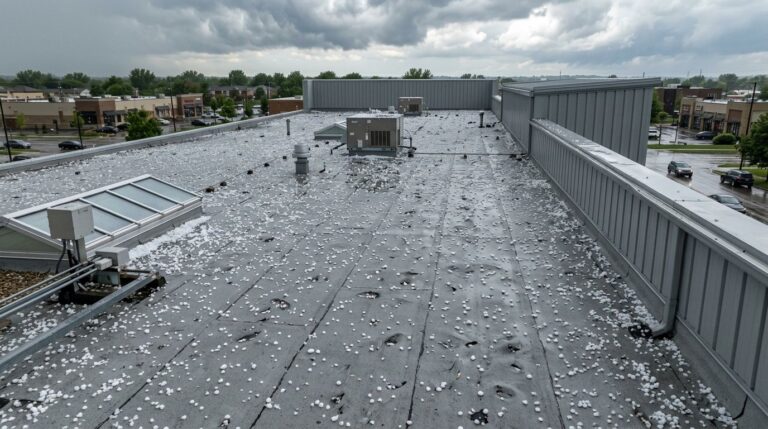
Many commercial roofs don’t have shingles at all. If your building has TPO, EPDM, or modified bitumen, the same rule still holds. A vent cap or flashing collar can fail before the membrane shows a visible split. For that reason, a dented vent can be the first sign your commercial roof needs repair.
Step-by-Step
What to do after a hailstorm
- Check for interior clues first. Look at ceiling tiles, top-floor restrooms, mechanical rooms, and areas near exhaust fans. A vent leak may show up as a damp ring, wet insulation, or a stale odor before water drips.
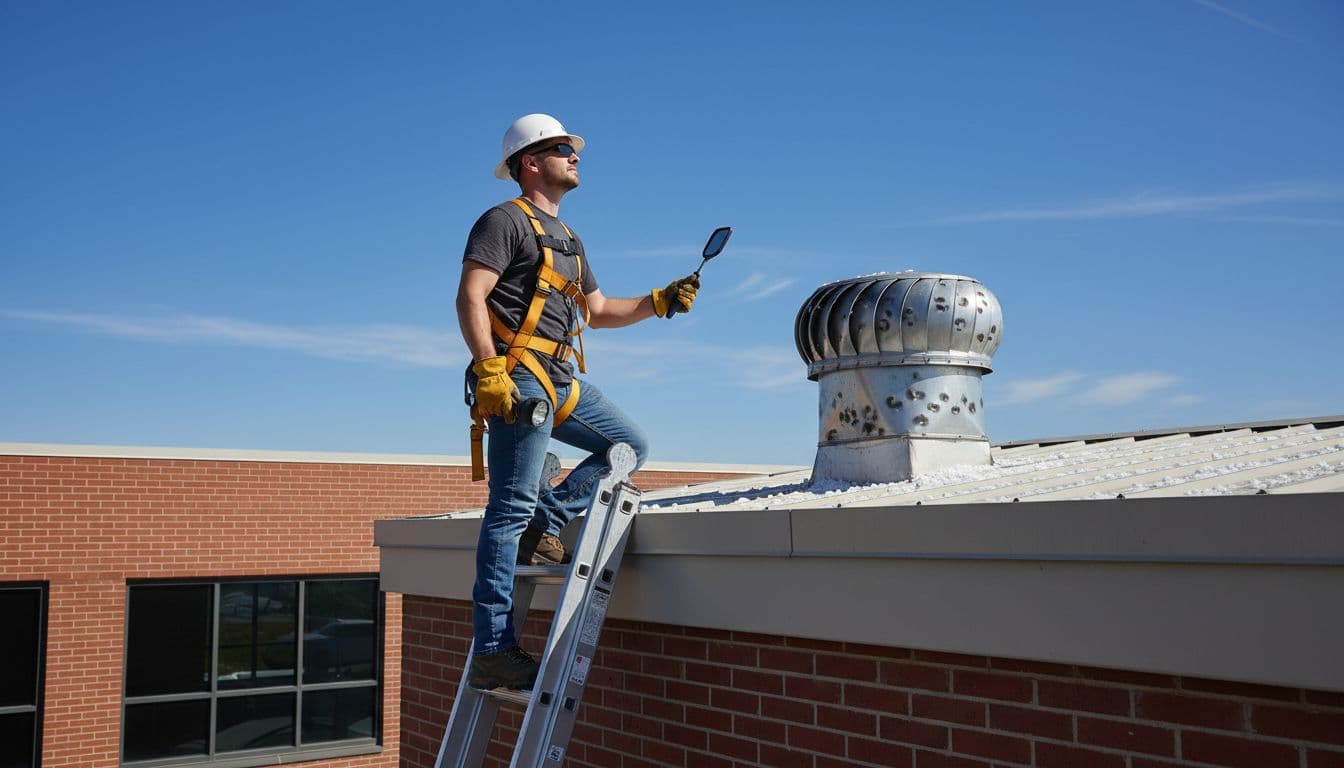
- Inspect from the ground before anyone goes up. Use binoculars or zoom photos to spot bent caps, missing covers, skewed turbines, or exposed flashing. Don’t send staff onto a wet roof without training and fall protection.
- Document every visible impact point. Take wide shots of the roof area and close-ups of each vent, curb, and flashing seam. Good photos help with repair planning, claim support, and future comparisons.
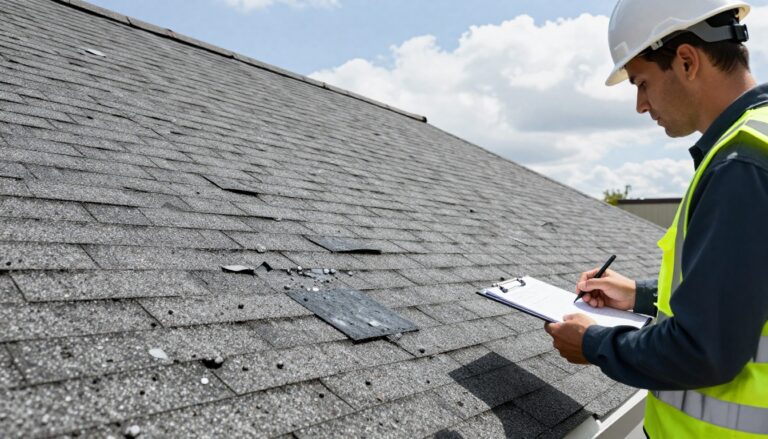
- Compare the vent to the surrounding roof. If the shingles look intact but the vent is dented, cracked, or loose, treat it as real storm damage. In many cases, hail damage roof vents fail at the seals, not in a big visible hole.
- Bring in a roofer if there is any sign of moisture. Water can travel far on low-slope systems, so the leak may appear away from the hit. When needed, professional leak detection for St. Paul commercial roofs can confirm the source. It also shows whether you need a small fix or broader commercial flat roof repair.
- Decide on the fix based on the full damage path. A replaced cap or pipe boot is enough when the roof field is dry and secure. If insulation, decking, or membrane flashing is wet, the scope can grow fast and start affecting tenants, stock, or equipment.
Repair Options After Vent Damage
When a targeted fix is enough
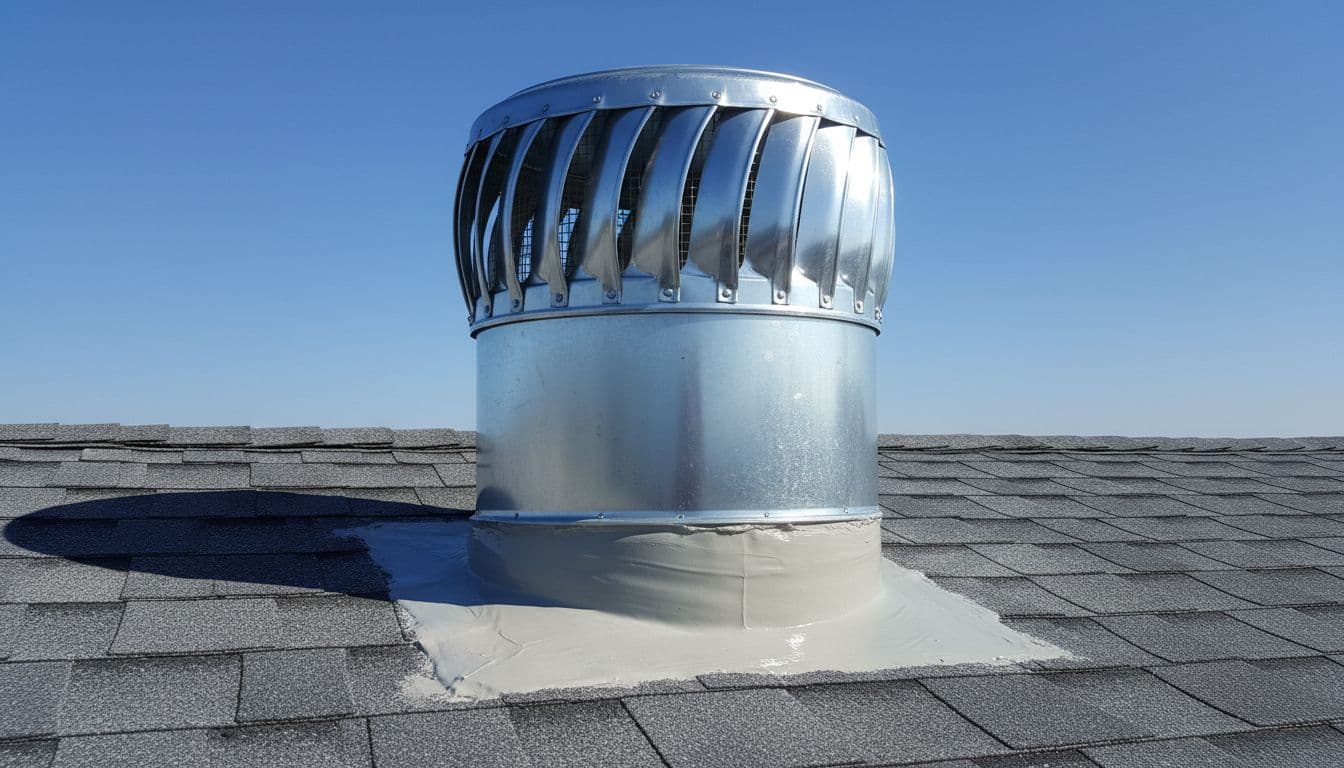
A single cracked pipe boot, dented cap, or broken seam usually needs a local repair. A contractor may replace the vent, install new flashing, reset fasteners, or reseal the base. One damaged vent rarely means commercial roof replacement by itself.
On low-slope buildings, contractors should also check the curb, counterflashing, and nearby seams. Water often enters beside the vent, not through the middle.
When replacement enters the conversation
The picture changes when hail exposed bigger roof problems. Wet insulation, soft decking, repeated leaks, or several failed penetrations can make patching a poor use of money. For business owners, acting early keeps a vent repair from turning into a larger operational problem.
FAQ
Can a vent leak days after a hailstorm?
Yes. A cracked boot or loosened seam may hold for a short time, then fail during the next rain or freeze-thaw cycle. That’s why delayed leaks are common after hail.
Does insurance cover vent-only hail damage?
Often, yes, if the damage affects function and not only appearance. Clear photos, date-stamped notes, and a roofer’s report make the claim much stronger.
If shingles still look normal
A carrier may question the claim, so documented vent damage and leak evidence matter even more.
Are metal vents more likely to show hail marks than shingles?
Usually, yes. Metal dents easily, and rubber or plastic parts can split under impact. Shingles may hide subtle bruising, while a vent shows damage right away.
What if my building has a flat roof, not shingles?
The same concern applies. Hail may damage the vent, curb, or flashing first while the membrane still looks sound from a distance.
On membrane systems
A small split near a vent can let water travel far before anyone sees a stain inside.
When does vent damage point to replacement instead of repair?
Replacement enters the picture when the leak spread into insulation or decking, or when multiple penetrations failed across an older roof. At that stage, repeated patching may cost more than a planned fix.
Hail doesn’t need to wreck shingles to damage a vent. The vent is often the roof’s exposed knuckle, so it can fail first and leak later.
Don’t wait for a drip.
Schedule a documented inspection after any hail event, especially if your building has older vents, low-slope sections, or rooftop equipment. A small repair now can stop the next rain from turning into downtime.
Need a roof inspection in Saint Paul or the Twin Cities? Call Sellers Roofing Company at +1-651-703-2336 or schedule a free estimate. We are a black-owned, NMSDC-certified MBE roofing contractor with 9+ years experience.