Last updated: 2026-08-01 by Ted Sellers, Owner
Turbine Vents and Energy Savings Explained: How They Improve Attic Ventilation and Reduce Home Energy Costs
Attic temperatures can soar above 150 °F on summer days, driving up cooling bills and stressing HVAC systems. Understanding turbine vents and energy savings explains how wind-powered exhaust vents lower attic heat, cut utility costs, and protect roof structures year-round. This guide covers:
- What turbine vents are and their wind-driven mechanism
- Energy-efficiency impacts in summer and winter
- Installation options, costs, and performance considerations
- Maintenance practices for long-term savings
- Effects on roof lifespan, moisture control, and home comfort
- Climate-tailored selection and smart-home integration
- Answers to common questions about performance and necessity
By the end, homeowners will grasp how passive turbine vents deliver measurable energy savings, roof protection, and enhanced indoor comfort.
What Are Turbine Vents and How Do They Work to Save Energy?
Turbine vents are passive roof exhaust systems that use wind-driven spinning heads to create suction, pulling hot, moist air out of an attic. This wind-activated ventilation reduces attic temperatures, lessens thermal transfer into living spaces, and decreases HVAC runtime for significant energy savings. Exploring the wind mechanism clarifies why turbine vents outperform many static alternatives.
How Does Wind Power Drive Turbine Ventilation?
- Wind flows around the rotating head, creating a low-pressure zone.
- Differential pressure draws hot, moist air up through the turbine’s inlet.
- Continuous spinning maintains a steady exhaust stream even at moderate wind speeds.
This Bernoulli-principal effect keeps attic air moving, setting the stage for examining vent components.
Evaluation of the Performance of Attic Turbine Ventilators
Field measurements indicated that the enhancement provided by the ventilator was a function of wind direction, with the greatest benefit in the direction with the most upwind shelter. Averaged over all wind directions and seasons, the turbine ventilator increased ventilation rates by approximately 15 %.
J.D. Dale, Ph.D., P.E., EVALUATION OF THE PERFORMANCE OF ATTIC TURBINE VENTILATORS
This supports the article’s claims about the effectiveness of turbine vents in improving attic ventilation rates.
What Are the Key Components and Designs of Turbine Vents?
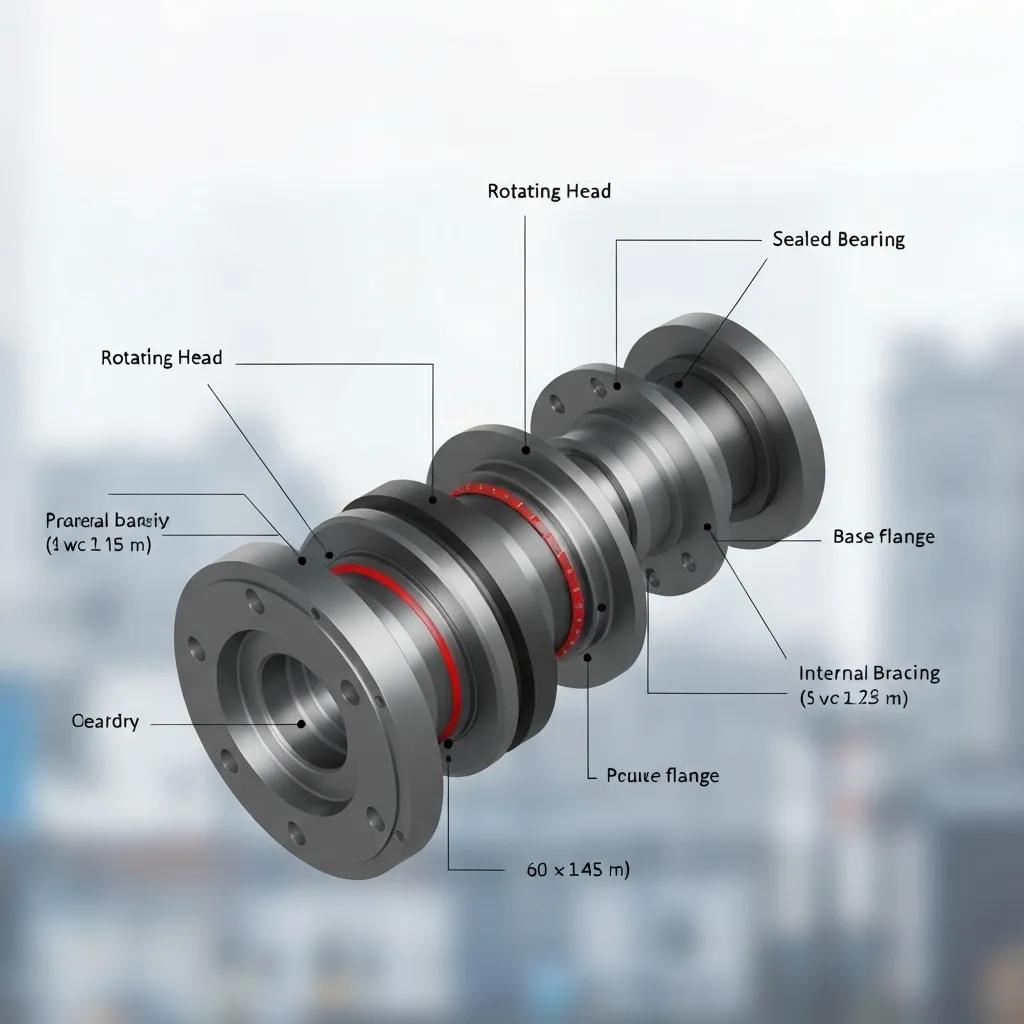
Turbine vents consist of several critical parts that determine airflow and durability:
Component quality influences efficiency and service life, leading into how turbine vents compare with other ventilation types.
How Do Turbine Vents Compare to Other Roof Ventilation Types?
Comparing passive turbine vents to other roof vents highlights relative strengths:
Performance Assessment of Photovoltaic Attic Ventilator Fans
Research has shown that the electricity consumption of powered attic ventilator fans can be greater than the savings in air conditioning energy. However, photovoltaic ventilator fans have no parasitic consumption of line electricity.
FSEC Energy Research Center, Performance Assessment of Photovoltaic Attic Ventilator Fans
This provides context for the discussion of energy efficiency and the benefits of wind-powered turbine vents.
Each vent type serves specific use cases, but turbine vents excel when wind is reliable and low operating cost is essential.
Pros and Cons of Turbine Roof Vents
Turbine roof vents harness the power of the wind to create suction, effectively pulling air out of homes, especially in attics and crawl spaces. The primary advantage of turbine roof vents is their wind-powered operation, eliminating the need for electricity and offering significant cost savings.
Airflow Academy, Pros and Cons of Turbine Roof Vents, 2023
This supports the article’s discussion of the advantages of turbine vents, including energy efficiency and cost savings.
How Do Turbine Vents Contribute to Attic Ventilation Energy Efficiency?
Turbine vents reduce attic heat buildup, balance moisture, and maintain a stable envelope that relieves HVAC strain. Their continuous airflow lowers peak temperatures and improves seasonal comfort, delivering cost-effective, year-round energy efficiency.
In What Ways Do Turbine Vents Reduce Cooling Costs in Summer?
Exhausting hot attic air directly translates into cooling savings:
- Reduced attic temperatures by up to 30 °F cuts heat transfer through insulation.
- Lower roof deck heat decreases radiant load on living spaces.
- Decreased HVAC runtime improves duct efficiency and equipment longevity.
Literature Review of the Impact and Need for Attic Ventilation in Florida Homes
A study found that natural ventilation of the attic space decreased ceiling heat flux by 37% with R-19 insulation. Another study found that a sealed attic versus one ventilated to standard levels yielded a 32% reduction to attic heat flux.
Florida Solar Energy Center, Literature Review of the Impact and Need for Attic Ventilation in Florida Homes, 2005
This provides evidence for the energy-saving potential of attic ventilation, which is a key topic in the article.
These effects combine to shrink summer utility bills and prepare for winter efficiency gains.
How Do Turbine Vents Provide Year-Round Energy Benefits, Including Winter?
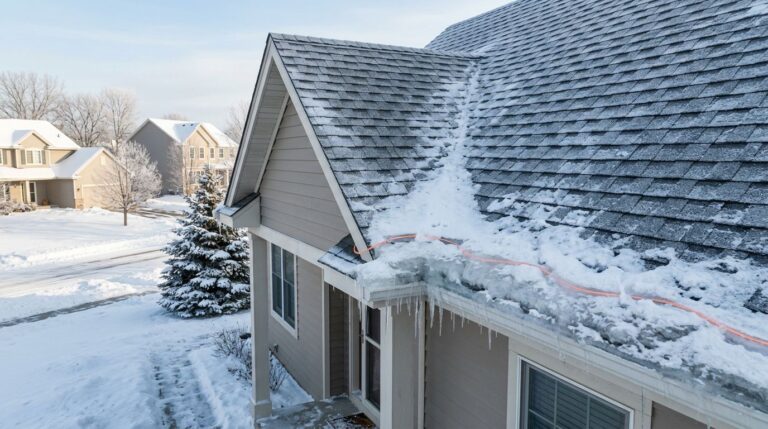
Balanced ventilation in cooler months prevents ice dams and maintains thermal equilibrium:
- Continuous airflow keeps attic temperature just below outside air, reducing snow melt/refreeze.
- Moisture removal lowers condensation risk, preserving insulation performance.
- Stable attic humidity and temperature limit heat loss through ceiling assemblies.
These mechanisms sustain energy savings beyond peak cooling season and protect roof integrity.
What Are the Environmental and Monetary Savings from Using Turbine Vents?
Turbine vents deliver measurable ecological and financial returns:
- Homeowners report 10–30 % reduction in annual cooling costs.
- Estimated payback period ranges from 2 to 5 years depending on climate.
- Lower energy consumption cuts household carbon emissions by up to 1 tonne annually.
Roof Ventilation: How Much Does It Save in Energy Costs?
Good roof ventilation can help reduce cooling costs by 30-40%. The cooling energy consumption of a home could be reduced by 10% through proper attic ventilation.
Colony Roofers, Roof Ventilation: How Much Does It Save in Energy Costs? 2023
This supports the article’s claims about the energy-saving benefits of turbine vents.
Such results underline the dual benefit of reduced utility bills and a smaller environmental footprint.
What Are the Installation Options and Costs for Turbine Vents?
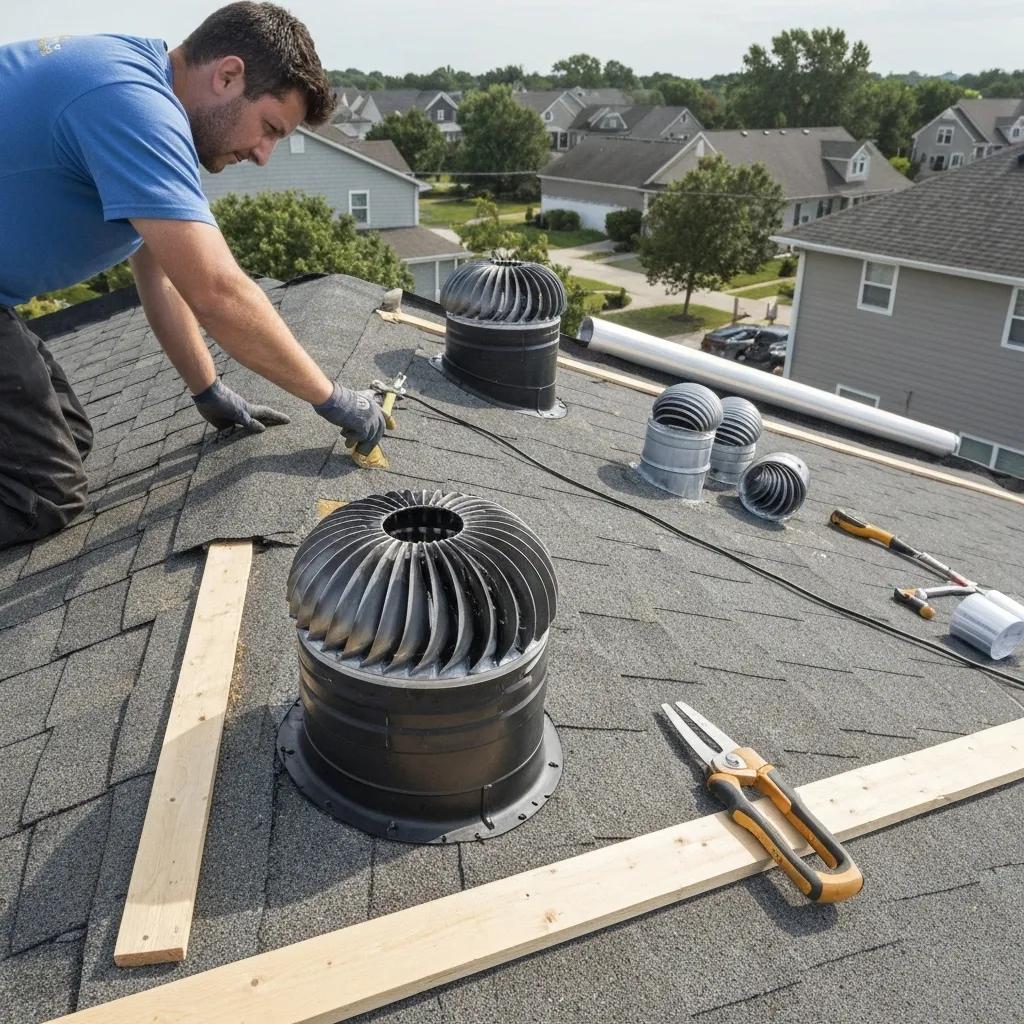
Installation choices range from DIY to professional service, with total expenses tied to unit price, labor rates, and roof complexity. Understanding cost breakdowns and procedural steps ensures optimal performance and return on investment.
Can Homeowners Install Turbine Vents Themselves or Should They Hire Professionals?
DIY installation appeals to skilled homeowners, while professionals guarantee warranty compliance:
- DIY Pros: Lower labor cost, flexible scheduling, learning experience.
- DIY Cons: Risk of improper flashing, potential leaks, voided manufacturer warranties.
- Professional Pros: Certified waterproofing, code-compliant placement, guaranteed workmanship.
- Professional Cons: Higher upfront cost, scheduling constraints.
Balancing risk and budget guides the best choice for each homeowner.
What Is the Typical Cost Range for Turbine Vent Units and Installation?
Estimating expenses helps plan a ventilation upgrade:
Cost to install roof vents in the US
The cost of installing roof vents in United States, including materials and labor, ranges between $67.40/EA and $158.80/EA. The price depends on the type of roof vent (ridge vent, box vent, turbine vent, etc.), the level of finish, the roof’s condition, and any additional materials required for installation.
Handoff AI Estimating, Cost to install roof vents in the US
This provides information on the costs associated with installing roof vents, which is relevant to the article’s discussion of installation options and costs.
These figures can vary by region, roof pitch, and access difficulty, prompting a closer look at installation considerations.
What Are the Step-by-Step Installation Considerations for Optimal Performance?
Following precise steps maximizes airflow and leak resistance:
- Site Assessment: Choose high-wind exposure location and avoid obstructions.
- Intake-Exhaust Balance: Ensure sufficient soffit intake vents to match turbine exhaust capacity.
- Cutting Roof Opening: Use template for accurate hole; maintain structural integrity.
- Flashing Installation: Slide metal flashing under shingles; seal all edges with roofing sealant.
- Vent Placement and Securing: Bolt base flange, align turbine, and test spin clearance.
- Final Inspection: Check soffit vents, gauge airflow on windy day, correct any leaks.
Adhering to these steps yields peak performance and long-term durability.
How Should Turbine Vents Be Maintained for Long-Term Energy Savings?
Regular maintenance keeps bearings smooth, blades balanced, and seals intact—safeguarding consistent airflow and energy efficiency over decades.
What Are Common Turbine Vent Issues and How Can They Be Troubleshooted?
Typical failures can be resolved with simple fixes:
- Noisy Operation: Inspect bearings for wear; apply high-temp grease or replace.
- Blade Imbalance: Clear debris catch; realign blades if wobble is detected.
- Water Ingress: Reseal flashing edges and test for leaks after heavy rain.
Preventing minor issues avoids airflow interruption and maintains energy savings.
How Often Should Turbine Vents Be Inspected and Serviced?
Biannual checks before summer and winter maximize reliability:
- Spring Inspection: Clean bearings, remove bird nests, verify spin speed.
- Fall Inspection: Reseal flashing, lubricate shaft, clear soffit intake obstructions.
Consistent servicing ensures trouble-free operation when temperature extremes arrive.
What Is the Expected Lifespan of Turbine Vents and How Does Maintenance Extend It?
Quality turbine vents typically last 15–20 years; proper care can add 5+ years:
- Sealed stainless-steel bearings resist corrosion for 10–15 years before replacement.
- Periodic lubrication and debris removal minimize wear and noise.
- UV-resistant finishes on head assemblies prevent material fatigue under sun exposure.
These practices translate to sustained attic ventilation and prolonged roof protection.
How Do Turbine Vents Impact Home Health, Roof Lifespan, and Comfort?
Effective attic exhaust reduces moisture risks, shields roofing materials, and stabilizes interior temperatures—enhancing building longevity and inhabitant well-being.
How Does Proper Ventilation Protect Roofing Materials and Extend Roof Life?
Ventilation dissipates destructive heat and condensation:
- Drives hot air away from shingles, preventing thermal warping and granule loss.
- Removes moisture before it seeps into decking, avoiding rot and structural decay.
- Balances attic humidity to reduce blistering and uplift during freeze-thaw cycles.
This roof preservation logic leads into how vents control attic moisture.
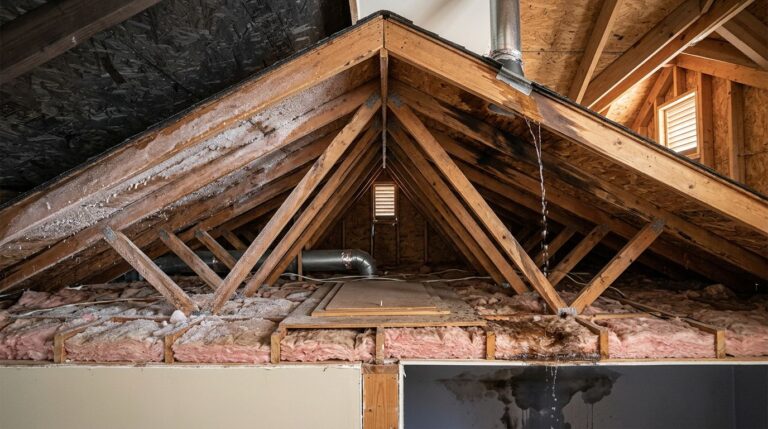
In What Ways Do Turbine Vents Control Attic Moisture and Prevent Mold Growth?
Continuous air exchange keeps relative humidity below mold thresholds:
- Exhausts humid air during showers and cooking, avoiding condensation.
- Promotes dryer insulation and framing, inhibiting fungal spore germination.
- Reduces indoor allergy triggers by minimizing mold colonization.
Effect of Attic Ventilation on Moisture in Walls and Roofs
Research indicates that installing vents in walls is not a reliable moisture control strategy, and vents can significantly increase air leakage. Vents may also seriously degrade the thermal performance of the wall.
Forest Products Laboratory, Effect of Cavity Ventilation on Moisture in Walls and Roofs
This supports the article’s discussion of how turbine vents affect moisture control and energy efficiency in the attic.
Moisture management directly influences indoor air quality and occupant health.
How Do Turbine Vents Enhance Overall Home Comfort and Property Value?
Stable attic temperatures translate into living-space benefits and market appeal:
- Lowers radiant heat transfer, yielding more consistent room temperatures.
- Reduces thermostat cycling for quieter, more efficient HVAC operation.
- Demonstrates energy-smart features that increase resale desirability.
These comfort and value gains reinforce the case for integrating turbine vents.
What Are the Best Practices for Choosing the Right Turbine Vent for Your Climate and Home?
Selecting an optimal turbine vent depends on local wind patterns, roof design, and material resilience. Matching vent specifications to environmental demands ensures maximum performance and longevity.
How Do Climate Zones Affect Turbine Vent Effectiveness and Selection?
What Design Features Optimize Turbine Vent Performance in Different Regions?
Key design elements deliver durability and efficiency:
- Sealed Bearings: Prevent moisture ingress and rust in rainy or snowy areas.
- UV-Resistant Coatings: Protect steel surfaces in high-sun environments.
- Internal Bracing: Ensures structural integrity under severe wind loads.
Focusing on these features aligns vent performance with site demands.
How Can Turbine Vents Integrate with Smart Home Energy Management Systems?
Smart integration automates optimal attic ventilation:
- Link temperature or humidity sensors to adjust roof exhaust indicators.
- Sync exhaust performance data with home-energy dashboards for real-time monitoring.
- Combine with smart thermostats to adjust HVAC setpoints based on attic conditions.
This modern approach amplifies energy savings and visibility into home performance.
What Are the Frequently Asked Questions About Turbine Vents and Energy Savings?
Homeowners often question performance limits, cost-effectiveness, and system necessity when evaluating turbine vents. Clear guidance on these topics supports informed decisions.
Are Turbine Vents Effective in All Weather Conditions?
Turbine vents deliver peak airflow in moderate to strong winds, while performance declines on calm days. Even light breezes produce airflow, but supplemental intake vents and attic fans can bridge low-wind conditions to maintain ventilation.
Can Installing Turbine Vents Significantly Lower My Heating and Cooling Bills?
Properly installed turbine vents typically reduce annual HVAC energy consumption by 10–30 %, depending on climate severity and attic insulation. These savings accumulate over the vent’s 15–20-year lifespan, offering a rapid return on initial investment.
Are Turbine Vents Necessary for Every Home’s Roof Ventilation System?
Turbine vents are highly beneficial when existing soffit and ridge vents fail to maintain balanced airflow. In homes with adequate passive intake/exhaust configurations, turbine vents may serve as an effective supplement rather than a mandatory replacement.
Passive turbine vents harness wind energy to maintain cooler, drier attics, lowering utility costs and protecting roofing materials over decades.
By choosing the right design for your climate, ensuring professional installation, and following simple maintenance routines, you can maximize both energy savings and home comfort.
Contact a qualified ventilation specialist to evaluate your attic and install the best turbine vent solution for lasting efficiency and durability.
Need a roof inspection in Saint Paul or the Twin Cities? Call Sellers Roofing Company at +1-651-703-2336 or schedule a free estimate. We are a black-owned, NMSDC-certified MBE roofing contractor with 9+ years experience.