Last updated: 2026-09-28 by Ted Sellers, Owner
A public adjuster can be useful in some commercial claims, but not every roof claim needs one. This guide helps Minnesota business owners understand the difference between documenting a roof, negotiating a claim, and getting advice on policy interpretation.
When Should a Minnesota Business Hire a Public Adjuster?
A Minnesota business may consider a public adjuster when a commercial property claim is complex, the scope is disputed, or the owner lacks time to manage documentation and communications. First collect the policy, written scope, photos, and repair evidence so any decision is based on the facts.
A Minnesota business should hire a Minnesota public adjuster when a commercial property insurance claim involves a large, disputed, or technically complex roof loss. This is especially true when documented property damage includes water damage, business interruption, or findings the insurance company has not included in its scope. The same claim-side analysis may apply to fire damage or another natural disaster.
Policyholders should compare the fee, authority, and expected recovery against the documented gap before signing a written contract or committing to costs out of pocket.
When This Applies
When Claim Representation Makes Sense
Bring in representation when an insurance claim involves a commercial property and the insurance company omits covered work or disputes causation. Review the insurance policy for coverage limits and language covering storm-created roof openings, wet insulation, code-required details, and related interior loss. The representative works for policyholders, while the carrier’s adjuster works for the insurer.
This fits a large loss involving hail damage or fire damage at a commercial building. It also fits a multi-building homeowners association claim where water damage, downtime, and related siding damage expand the scope. The need rises with multiple tenants, code upgrades, and competing views on whether repair can restore the system.
When direct claim handling is enough
Don’t add a percentage fee because a storm occurred. A clean, isolated loss with obvious fresh damage and a reasonable line-item scope normally needs a contractor’s findings, not claim representation.
An old membrane, chronic leak, or routine wear problem also isn’t made covered by hiring claim representation. For a single-family property in a mixed portfolio, direct documentation may be enough for residential roof repair or residential roof replacement. Homeowners can also Get a Free Residential Roof Estimate before deciding whether a coverage dispute exists.
Step-by-Step
1. Stop active water without destroying the evidence
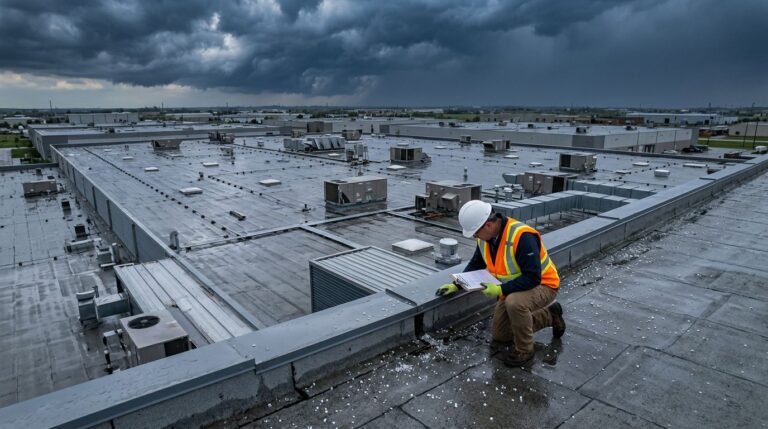
Protect people first. Don’t access a wet roof during lightning, high winds, or unsafe conditions. Once conditions are safe, photograph roof surfaces, exterior damage, interior water damage, wet inventory, and damaged ceiling materials.
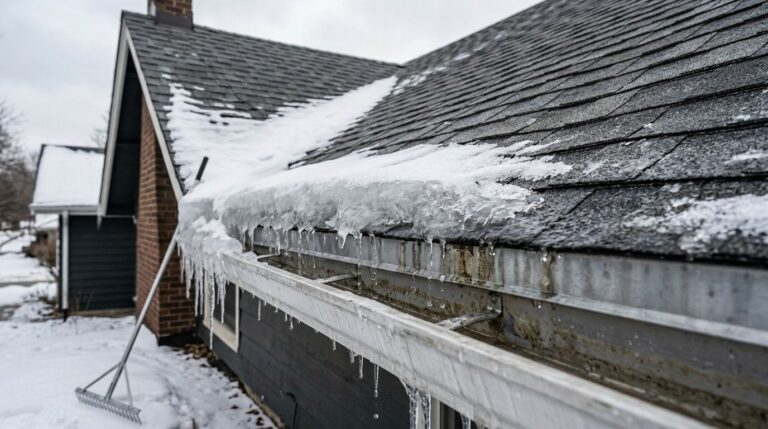
Use tarps, temporary seam sealing, or ice dam removal to limit additional water damage. Photograph conditions before and after temporary work, save invoices, and retain removed materials when practical. If water is entering the building, Call 651-703-2336 for 24/7 Emergency Roofing.
2. Get a system-specific roof report
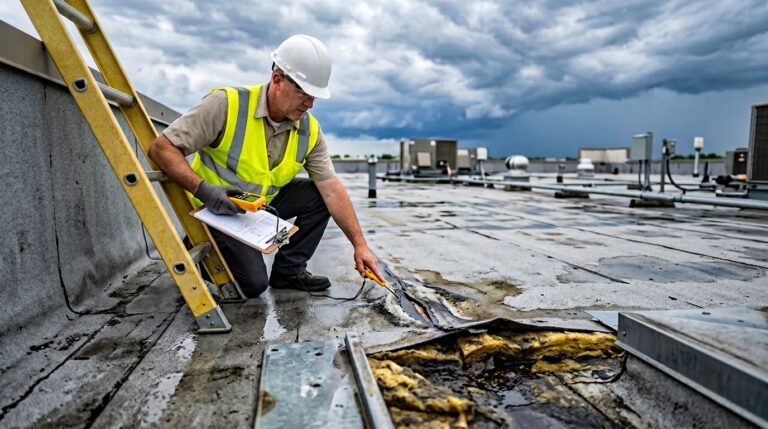
Start with a system-specific damage inspection and request a written report identifying the roof system, likely cause, damaged details, moisture spread, and repair recommendation. A commercial flat roof needs a different inspection than a shingle roof.
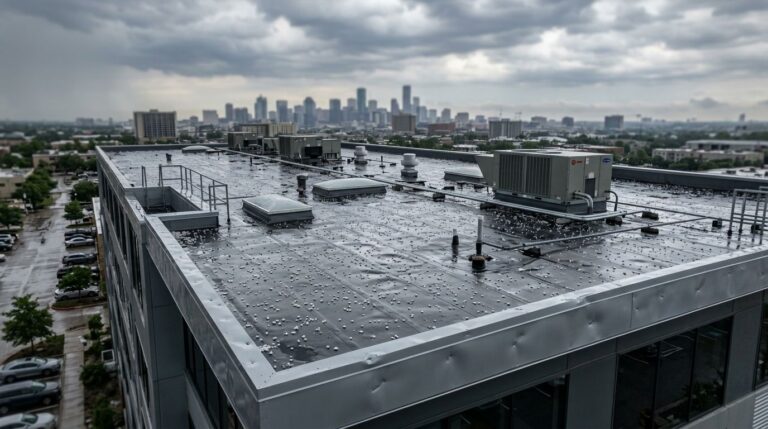
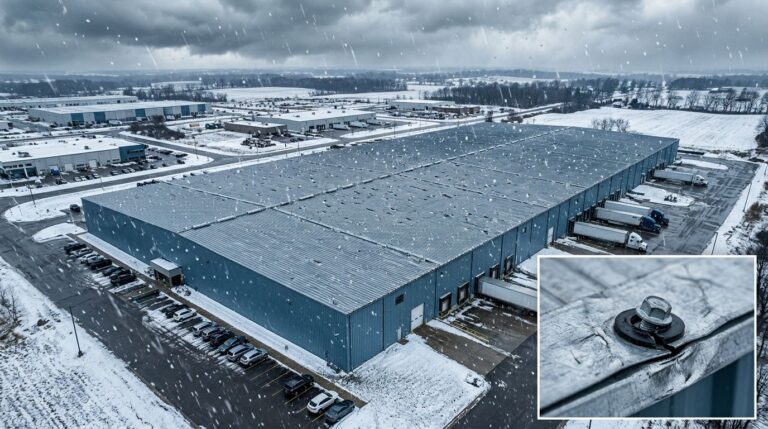
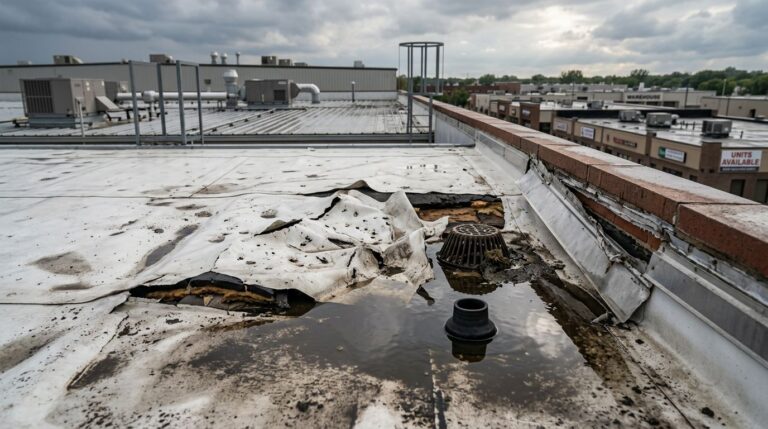
TPO roofing, EPDM, modified bitumen, and BUR often fail at seams, flashings, drains, edge metal, penetrations, and parapet transitions. Asphalt shingles may show creasing, torn tabs, or displaced granules. Metal roofing can have damaged seams, clips, flashings, or functional dents. Water can move far from the actual opening, so an interior stain may be the exit point, not the entry point. Use commercial roof leak detection when the source is unclear.
3. Compare the carrier scope against the physical findings
For every insurance claim, request the carrier’s complete file, including its full estimate, notes, depreciation terms, deductible calculation, and written reason for excluded items. For an insurance claim involving storm damage, preserve the related photos, reports, and repair records together.
Compare the insurance company’s written estimate and scope against documented property damage, line by line. Check quantities, tear-off, insulation, flashing, edge metal, permits, disposal, and code-related work.
Localized damage may support commercial roof repair. Widespread wet insulation, repeated seam separation, or failed attachment can shift the correct scope toward commercial roof replacement. Policyholders should maintain the comparison record with photos, reports, invoices, and scope revisions. For a homeowners association claim, repeated roof details or multiple structures can make scope comparison especially important.
Before hiring claim representation, verify the candidate through the Minnesota Department of Commerce’s Minnesota Commerce license lookup. A documented mismatch, not frustration alone, should drive the decision. For a technical starting point, Get a Free Commercial Roof Inspection.
Keep Claim Representation and Roof Scope Separate
A public adjuster handles claim-side work
This claim-side representative can organize an insurance claim file, prepare a scope, communicate with the insurance company, request a reinspection, and negotiate the value of covered property damage. They may also help policyholders assemble separate support for business personal property and interruption losses, including contents or interruption documentation after fire damage.
They can’t create coverage where the policy excludes it. They also can’t turn old wear into fresh wind damage, change the deductible, or replace an engineer’s cause analysis. Claim representation is claim work, not roof diagnosis.
A roofing contractor establishes the roof facts
A usable roof report starts with cause, not dollars. A Saint Paul roofing contractor or Minneapolis roofing contractor should prepare a cause-and-condition report for policyholders, separating fresh weather-related damage from aged seams, poor drainage, prior patches, and maintenance defects. Water damage stains may appear far from the roof opening, so the report should trace the entry path.
That standard matters in Twin Cities roofing claims, where freeze-thaw cycles, snow loads, wind-driven rain, and ice buildup can overlap. A sound report should state whether the roof needs a targeted repair, commercial roof restoration, commercial roof coatings, or roof replacement. Coatings and restoration can extend the life of a sound membrane, but they don’t fix saturated insulation or active seam failure.
Sellers Roofing Company, located at 801 Transfer Road in Saint Paul, holds MN Builder Contractor License 803862. Its union-built roofing crews include IUPAT Local 96 Roofers, Carpenters Local 322, and Laborers Local 563. The company also has GAF-certified manufacturer credentials and has completed more than 1,100 roofs since 2017, including 300 commercial projects. Those credentials and production figures don’t replace a site-specific causation analysis.
Control Fees, Contracts, and Disputes
Verify credentials and read the entire contract
Ask a public adjuster for their full legal name, adjuster license number, fee percentage, services included, authority to speak for the business, and rules for ending the agreement. The person should be a licensed adjuster.
Policyholders should review a written contract before authorizing representation. Minnesota licensing requirements include fingerprinting and background checks for applicants, along with bonding requirements, as described on the state’s insurance adjuster licensing page. Use the Minnesota department of commerce license lookup to verify the number, but remember that a lookup isn’t legal advice about the contract.
Use appraisal only after the facts are developed
Contingency fees often fall in the 10% to 15% range, but that range is not a Minnesota fee rule. On a contingency basis, the fee is typically a percentage of the insurance claim. Clarify whether it applies to the entire insurance settlement, only new money recovered, recoverable depreciation, or a disputed portion of the loss. Also confirm when the insurance company issues payment and when the fee becomes due.
Before requesting a later supplement or appraisal for the insurance claim, confirm whether the same fee applies and who may send supplements or other communications to the insurance company. Minnesota law requires written fee disclosure and contract terms, so don’t accept verbal promises after a storm.
Start with a contractor report, a line-by-line comparison, and a supplement request when new findings show missed covered work. A supplement corrects a scope that doesn’t include wet insulation, damaged flashing, or required related work.
Appraisal may help when the insurance policy allows it and both sides agree damage is covered but disagree on value. A claim denial is generally a coverage dispute, not simply a disagreement over the value of covered damage. In the appraisal process, each side selects an appraiser, and the appraisers may select an umpire if needed. Appraisal usually doesn’t decide whether damage was caused by wind, maintenance failure, or an excluded condition. Coverage disputes may require a reinspection or insurance counsel.
The Decision Point
Hire help for a proven gap
Consider claim representation when evidence for an insurance claim and its scope split, not simply after storm damage occurs. A detailed roof record gives the business a factual basis for payment, repair planning, and a fair review.
For modest, clear losses, direct handling may keep costs down and avoid paying out of pocket for claim-side help. For a complex Minnesota roofing claim, compare the likely insurance settlement with the fee and financial exposure. Claim representation may help when the insurance company’s scope or causation is disputed, or hidden moisture or failed attachment could require roof replacement.
Roof Claim FAQ
How much does a Minnesota public adjuster charge?
Many claim representatives quote fees on a contingency basis, often around 10% to 15% of the insurance settlement. Read the definition of “settlement” before signing. Confirm whether the percentage applies to the entire settlement, new money only, recoverable depreciation, or another defined amount.
Will claim representation increase our insurance payment?
No reliable Minnesota government study establishes an average payment increase. A claim representative may identify missed work or present the claim more completely, but payment still depends on policy language, documented cause, scope, deductible, and exclusions.
What if the insurance company already issued a partial payment?
A first payment doesn’t always close the insurance claim. Review the insurance policy for actual cash value, recoverable depreciation, deductible, and coverage terms. New photos, moisture findings, test cuts, or code items may support a supplement or reinspection, while the appraisal process addresses value only when coverage isn’t disputed.
Can an old repair cause the carrier to deny the whole roof claim?
Not automatically. A prior patch may explain one leak, but it doesn’t erase a new wind tear, impact puncture, damaged flashing, or fresh interior loss elsewhere. The key issue is causation, so the contractor report should separate old defects from new damage in the insurance claim. The same principle applies to fire damage, with prior conditions documented separately from the event at issue.
Does a business get a 48-hour cancellation right?
Minnesota materials describe a 48-hour cancellation notice for homeowner contracts for claim representation. A business entity shouldn’t assume it receives the identical right. Review the contract before signing, and have counsel address cancellation terms for a large commercial claim.
For the larger documentation and claim process, read our Minnesota roof storm damage and insurance claims guide.
Need a roof inspection in Saint Paul or the Twin Cities? Call Sellers Roofing Company at +1-651-703-2336 or schedule a free estimate. We are a black-owned, NMSDC-certified MBE roofing contractor with 9+ years experience.