Last updated: 2026-08-01 by Ted Sellers, Owner
A reservation of rights letter roof claim notice means your insurer is still investigating, but it has not agreed that every part of the loss is covered. The carrier is preserving its right to deny or limit payment later based on policy exclusions, late reporting, wear and tear, prior damage, or another coverage issue. It is not a final denial.
Treat the letter as a signal to document the roof, protect the property, and read the policy language closely. A roof insurance claim can still be approved, paid in part, or revised after more evidence is submitted.
Key Takeaways
What matters most
- A reservation of rights letter does not close your claim or prove the insurer is right.
- The letter should identify the policy provisions the insurer may rely on later.
- Temporary dry-in work is reasonable, but broad permanent repairs can remove evidence.
- A cause-based inspection separates fresh storm damage from age, maintenance issues, and old repairs.
- On larger buildings, moisture mapping and leak tracing may matter as much as visible roof damage.
Reservation of Rights Letter Roof Claim: What It Means
It preserves the insurer’s coverage defenses
An insurer sends this letter when there is a coverage question it does not want to waive while it investigates. The issue may involve the storm date, the condition of the roof before the event, a policy endorsement, or whether the reported damage affects roof function.
For example, an adjuster may see hail marks on metal roofing but question whether the dents changed seams, coatings, drainage, or attachment. On asphalt shingles, the dispute may involve whether granule loss came from hail or normal aging.
A reservation of rights letter is often written in cautious language. It may say the carrier is investigating “without waiver” of its rights. That language means the insurer has not committed to coverage. A property-claim explanation of reservation letters describes the same basic point: investigation may continue while coverage remains unsettled.
Read the stated reasons, not only the first page
The important part is usually the section that cites policy terms. Look for exclusions involving wear and tear, deterioration, faulty workmanship, repeated seepage, cosmetic damage, vacancy, late notice, or inadequate maintenance.
A letter may also reserve rights because the insurer lacks enough facts. That is different from proving the loss is excluded. Save the letter, the full policy, endorsements, adjuster emails, photos, weather records, invoices, and inspection reports in one file.
A reservation of rights is a live coverage issue, not a reason to stop documenting the damage.
When This Applies
Property claims with a real cause dispute
This applies to homeowners, property managers, business owners, associations, and institutional property owners after a disputed storm loss. It is common when a hail damage roof claim involves an older system, a history of patching, unclear storm timing, or a reported leak that may have started before the event.
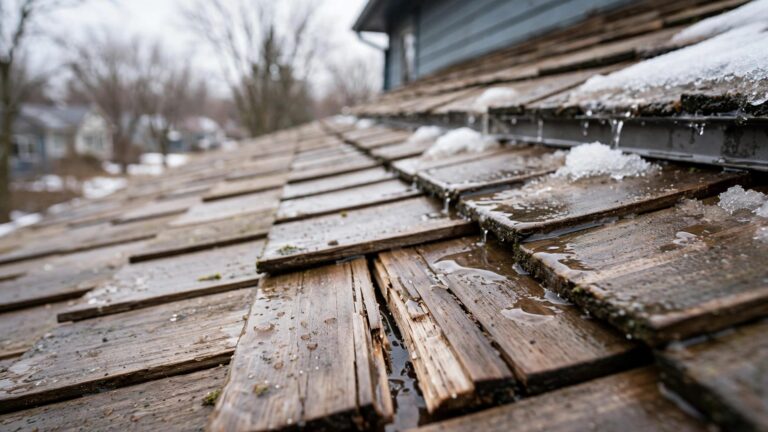
A carrier may also issue the letter after wind damage, falling debris, ice backup, or a storm damage roof leak. Minnesota roofing claims get added scrutiny after freeze-thaw cycles, snow buildup, and wind-driven rain. Those conditions can expose a new opening while also revealing older weak areas.
A flat roof needs system-level evidence
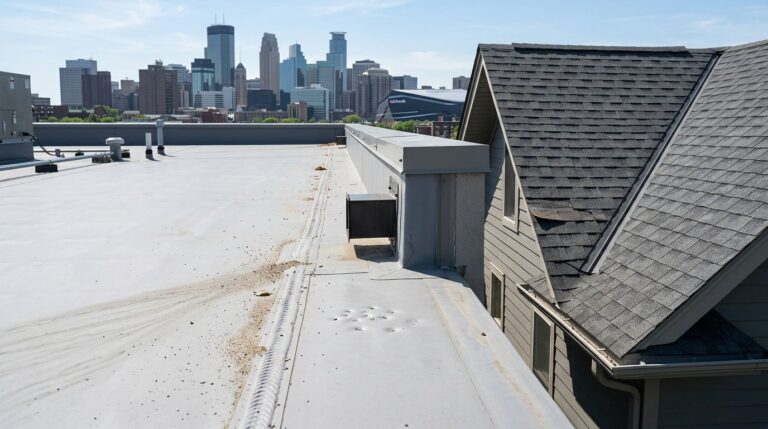
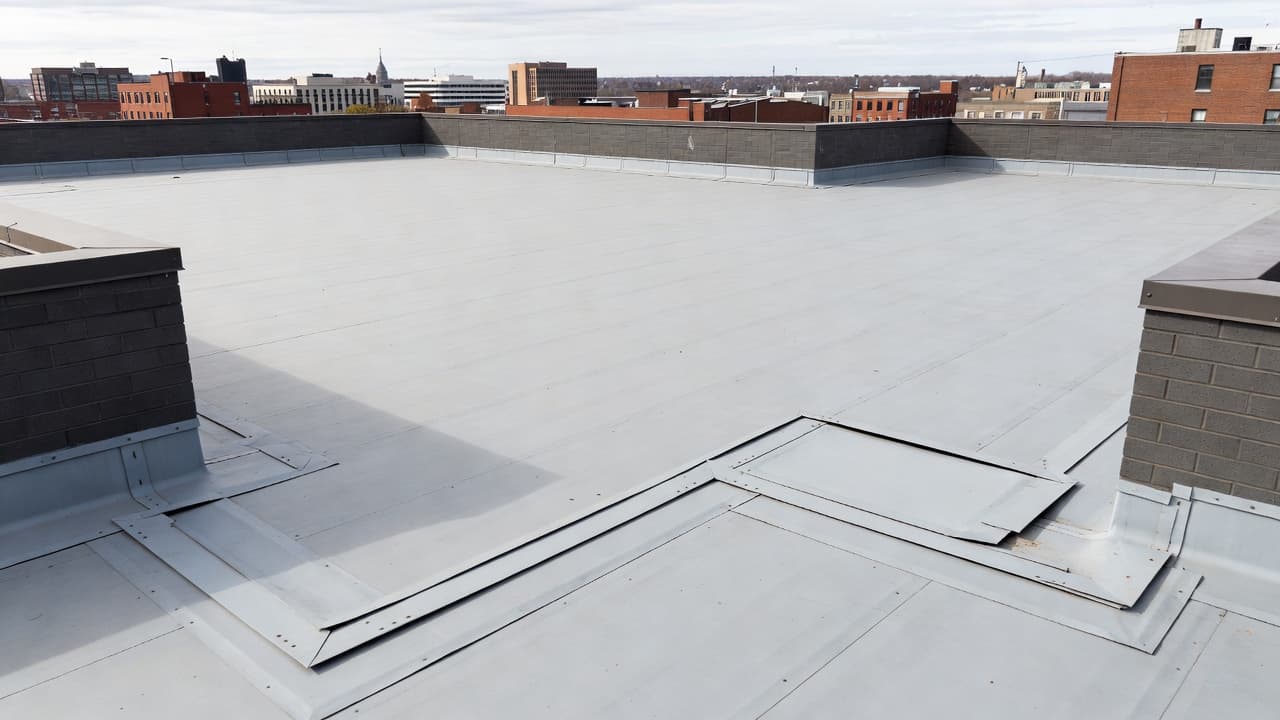
A commercial flat roof cannot be judged by the ceiling stain alone. Water may travel along insulation, deck flutes, seams, or flashing before it appears indoors.
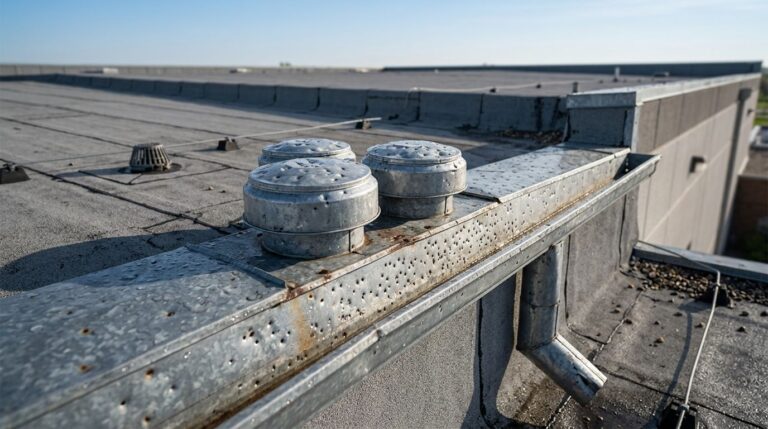
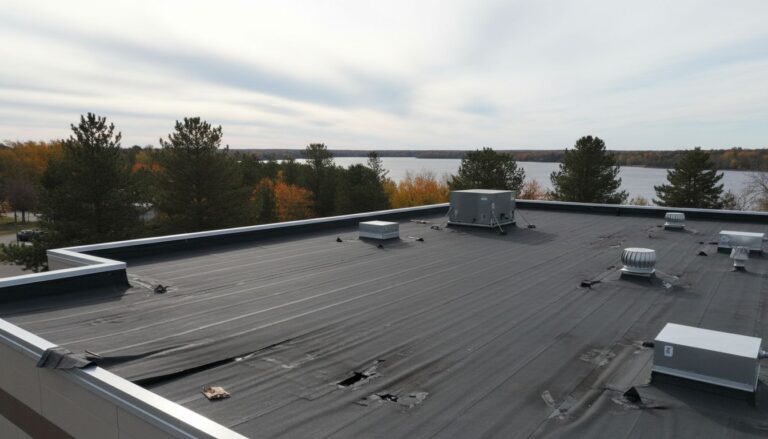
TPO roofing, EPDM, modified bitumen, and BUR systems fail differently than shingles. The inspection should check seams, perimeter metal, penetrations, drains, membrane splits, punctures, and hidden wet insulation.
Cosmetic damage can become a functional dispute
Some policies limit coverage for cosmetic metal damage. A dented panel may not qualify if it still sheds water and the policy excludes appearance-only loss.
That changes if impact damaged a protective finish, distorted a seam, loosened clips, or changed drainage. The question is whether the damage affected performance, not whether it looks bad.
When a reservation letter may not apply
Not every claim receives one. Obvious wind-lifted shingles, a fallen tree, a cracked skylight, or a fresh membrane tear may be adjusted without a formal reservation.
It also does not replace a denial letter. If the carrier rejects the claim, ask for the written decision, the policy language used, and the evidence supporting that decision. A legal overview of reservation of rights letters notes that insurers may continue handling a claim while reserving the option to deny parts of it later.
Step-by-Step
Take these actions in order
- Stop active water without erasing proof. Use a tarp, temporary seam sealant, interior containment, or other limited emergency work. Save invoices and take photos before and after. If water is entering now, Call 651-703-2336 for 24/7 Emergency Roofing. Do not attempt ice dam removal from an unsafe roof edge.
- Build a dated evidence file. Photograph roof surfaces, gutters, flashing, ceilings, wet insulation, damaged inventory, and removed materials. Record the date you first noticed the loss, the storm date, and each contact with the insurer. That evidence file directly supports the Minnesota proof of loss you may need to submit later.
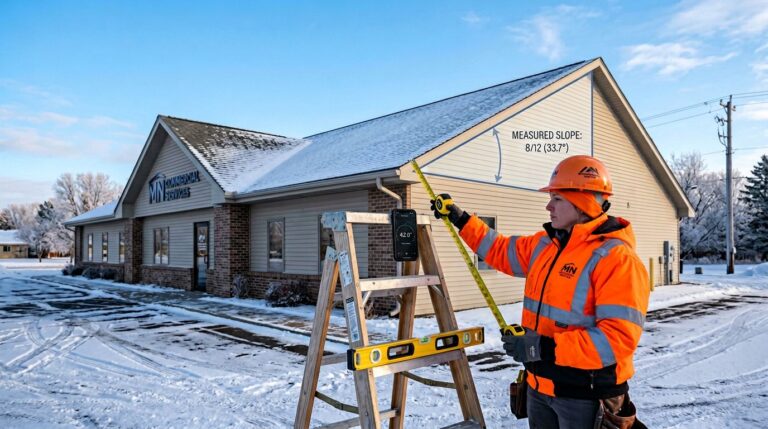
- Get an independent roof inspection. Ask for a written report that separates fresh damage from old wear and identifies the likely entry point. For a home, Get a Free Residential Roof Estimate before approving permanent work.
- Compare the letter to the policy. Match every cited exclusion or condition to the actual policy form and endorsement. Build the reservation of rights letter roof claim response around facts, photos, moisture findings, and the policy language, not broad statements about the roof being damaged. The purpose of a reservation of rights notice is tied to preserving the insurer’s legal position, so respond with a clean factual record.
- Attend the reinspection if an engineer is assigned. Ask what the engineer concludes about cause, function, and scope. On low-slope roofs, ask where they found membrane damage, flashing failure, and moisture spread. On shingles, ask how they distinguished storm impact from age. Keep the discussion focused on observed conditions.
- Submit a concise written response. Address each disputed point with supporting records. If the building has a low-slope system, Get a Free Commercial Roof Inspection before accepting a repair scope that may miss wet insulation or connected membrane damage. Sellers Roofing Company provides Saint Paul roofing, Minneapolis roofing, and Twin Cities roofing documentation through union-built roofing crews, including IUPAT Local 96 roofers. Its MN License 803862 and GAF-certified status should be easy to verify in the contractor’s written proposal.
Match the Repair Scope to the Actual Damage
Repair, restoration, or replacement
The right scope depends on what the inspection proves. A small opening with dry insulation may support commercial roof repair or residential roof repair. Widespread wet insulation, failed attachment, or recurring seam separation may support commercial roof replacement or residential roof replacement.
Commercial roof restoration and commercial roof coatings can extend the life of a sound, aging membrane. They do not correct saturated insulation, an active storm opening, or a failing deck. If the leak path is unclear, commercial roof leak detection in Saint Paul can identify where water entered and how far it traveled.
Do not accept a full replacement by reflex, either. The proper claim scope is the smallest scope that returns the roof to like kind and quality under the policy. A well-documented partial approval may be better than an unsupported all-or-nothing demand.
Final Thoughts
Keep the claim focused on cause
A reservation of rights letter roof claim is not a closed door. It is a notice that the carrier sees a possible coverage defense and needs evidence before it makes a final decision.
Protect the building, preserve damaged materials, and document the actual cause of loss. Clean evidence gives you a stronger basis for payment, reinspection, or a revised scope.
Frequently Asked Questions
Does a reservation of rights letter mean my roof claim will be denied?
No. It means the insurer has not accepted full coverage yet. The carrier may still approve the claim after reviewing inspections, weather information, photos, and policy terms.
Should I repair the roof before the adjuster arrives?
Stop active leaks, but keep work temporary where possible. Broad permanent repair can remove impact marks, wet insulation, and failed materials that help establish cause and scope.
Can an insurer send an engineer for roof damage?
Yes. An engineer may be assigned when the carrier disputes the cause, extent, or functional effect of damage. The report carries weight, but it is not the final word if your documentation shows a different condition.
What if the insurer says old repairs caused the leak?
An old patch does not erase coverage for a new storm opening elsewhere. The key issue is causation. A claim may still be paid in part if fresh damage and old deficiencies can be separated.
Can I reopen the claim after hidden moisture is found?
Often, yes, if the added damage ties back to the same covered event and your policy allows it. Submit moisture findings, tear-off photos, invoices, and a revised scope before agreeing that the original payment resolved the full loss.
Need a roof inspection in Saint Paul or the Twin Cities? Call Sellers Roofing Company at +1-651-703-2336 or schedule a free estimate. We are a black-owned, NMSDC-certified MBE roofing contractor with 9+ years experience.