Last updated: 2026-09-04 by Ted Sellers, Owner
Yes. Tenant relocation insurance may cover temporary space, moving costs, lost rent, or operating income after roof damage, but it is rarely a standalone coverage. Payment usually comes through business income, extra expense, rental value, or loss-of-rents provisions. A covered event, physical damage, documented costs, and the policy’s limits control the outcome.
When Tenant Relocation Insurance Applies After Roof Damage
A covered roof event makes the space unusable
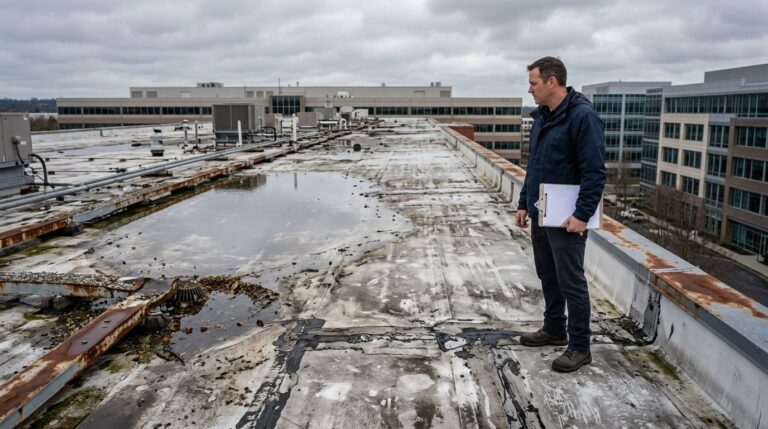
Coverage can apply when hail, wind, falling debris, or another covered event damages the building and forces a tenant out. A storm-damaged roof that allows water into an office, retail suite, warehouse, or apartment can trigger relocation costs if the policy includes the right time-element coverage.
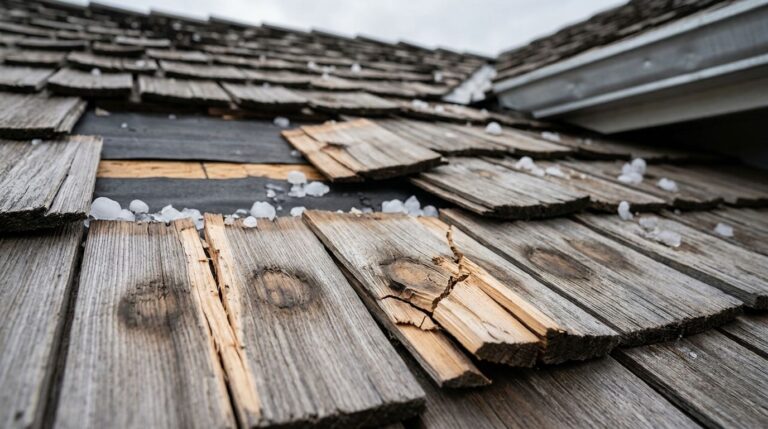
A hail-damaged roof can affect more than the membrane. Wet insulation, damaged ceiling systems, electrical exposure, and unsafe floors may make the space unfit for use.
Old leaks and optional moves are different
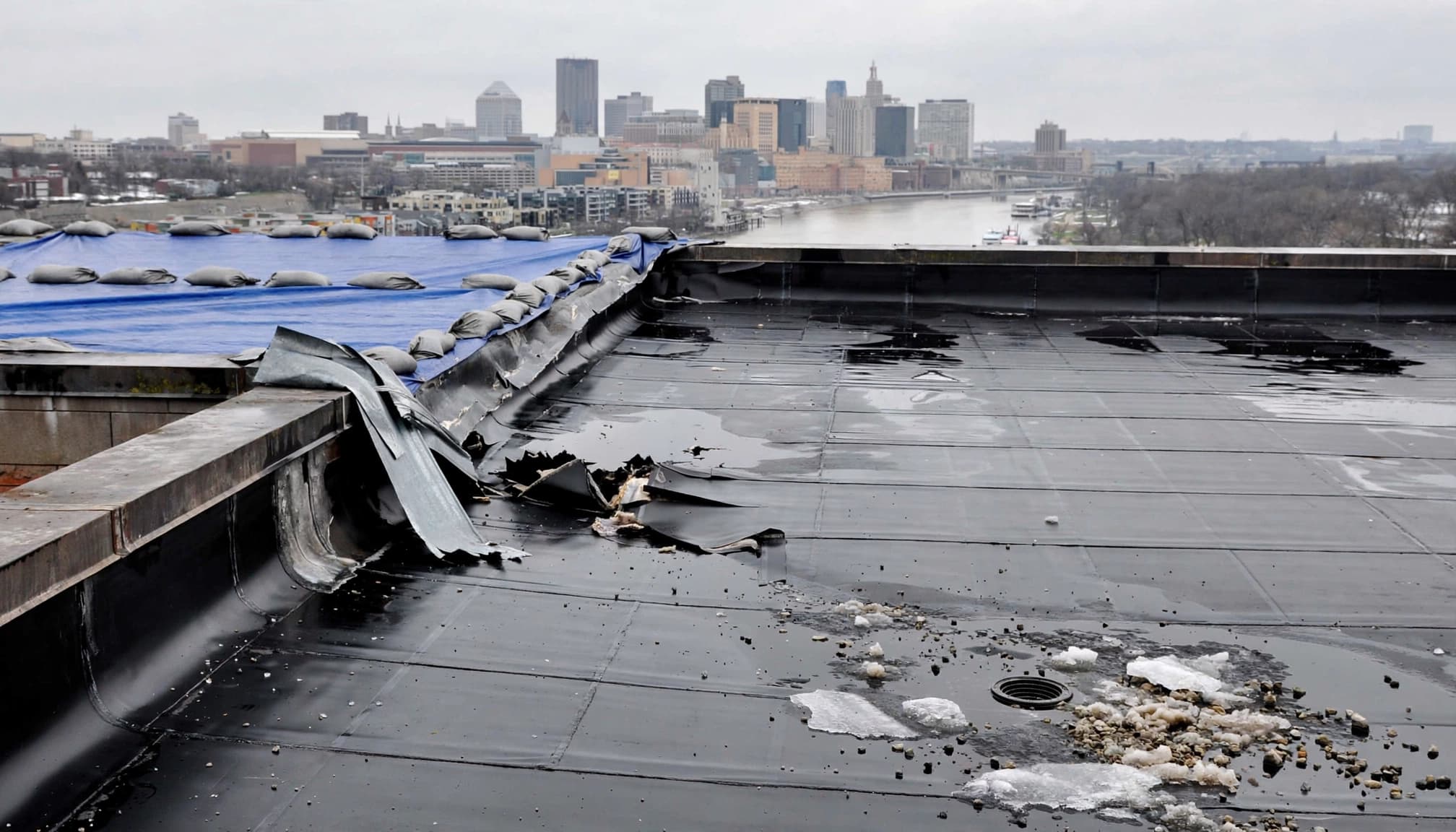
Coverage gets weaker when the loss came from long-term seepage, poor drainage, worn seams, or skipped maintenance. A tenant who moves for convenience, without documented physical damage or an unsafe condition, may not qualify.
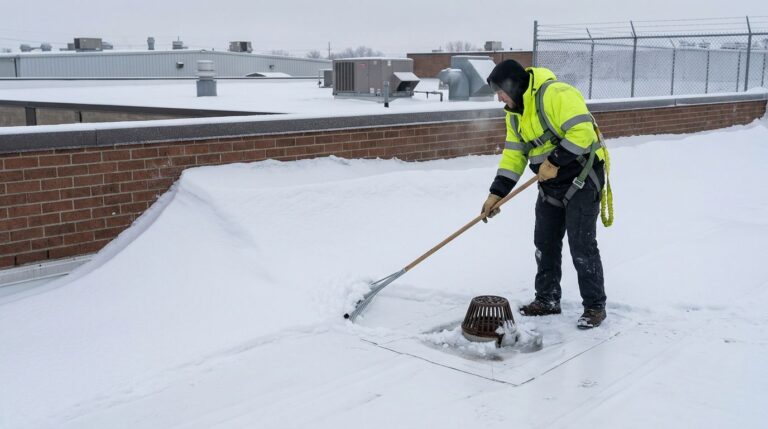
Minnesota winter conditions can complicate the issue. Ice dam removal may limit added water damage, but it does not turn an old roof failure into a covered claim. The cause still matters.
Which Coverage May Pay for the Relocation
Extra expense can fund temporary operations
Tenant relocation insurance is often claimed under extra expense coverage. It may pay reasonable costs above normal operations, including temporary rent, moving, temporary utilities, equipment transport, and overtime needed to keep the business open.
The NAIC’s business interruption guidance explains that commercial policies can cover repair costs and income losses after covered physical damage. Read the policy’s definitions, deductible, waiting period, and sublimits before committing to a temporary lease.
Business income and rental value protect different parties
A commercial tenant may need business income coverage for lost revenue and continuing expenses. The building owner may need rental value or loss-of-rents coverage for income lost while damaged space cannot be occupied.
Civil authority coverage is narrower. It usually requires an actual government order that prohibits access because covered damage occurred nearby. A recommendation to stay away, or a partially restricted building, often will not meet that standard.
Temporary space can be a covered extra expense, but only if the move reduces the insured loss and fits the policy wording.
Step-by-Step: Document a Roof Relocation Claim
1. Protect occupants and limit new damage
Keep people away from wet electrical areas, sagging ceilings, and slick roof surfaces. Maintenance staff can protect inventory indoors, but they should not inspect a wet commercial flat roof after lightning or high winds.
Use temporary dry-in work to stop active water. For urgent stabilization, Call 651-703-2336 for 24/7 Emergency Roofing.
2. Preserve the evidence before permanent repairs
Photograph the roof, interior staining, damaged inventory, temporary protection, and affected tenant areas. Save damaged materials when practical. Keep tarps and emergency sealing temporary until the cause and scope are documented.
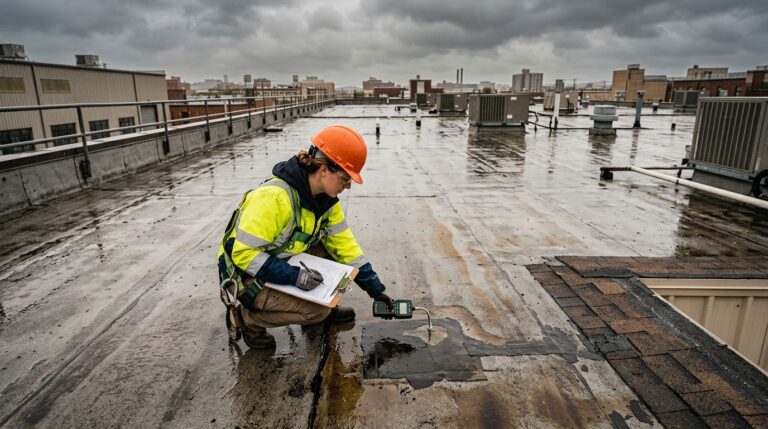
Water often travels under membrane laps, insulation boards, and deck flutes. A ceiling stain rarely identifies the opening. Roof leak documentation for insurance claims can include moisture readings and infrared findings that trace the actual water path.
3. Separate each claimed cost
Open the roof insurance claim promptly. Submit emergency invoices, temporary-space agreements, moving bills, rent rolls, leases, profit-and-loss statements, payroll records, and photos.
Do not blend roof repair costs with tenant business losses. The insurer may evaluate building damage, business income, extra expense, and loss of rents under separate policy sections.
4. Check the policy before accepting a denial
Review the declarations page and endorsements for business income, extra expense, rental value, ordinance-or-law coverage, wind or hail deductibles, and exclusions. The commercial property insurance guide from Landesblosch explains how income, payroll, and normal expenses can continue during a covered shutdown.
Request the insurer’s written policy basis if it denies relocation costs. A reinspection may be justified when the adjuster missed wet insulation or fresh storm damage.
Match the Repair Scope to the Roof System
A commercial flat roof needs system-specific evidence
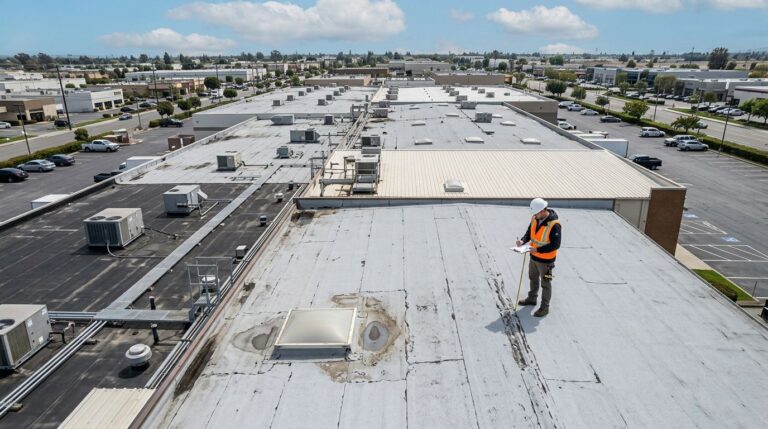
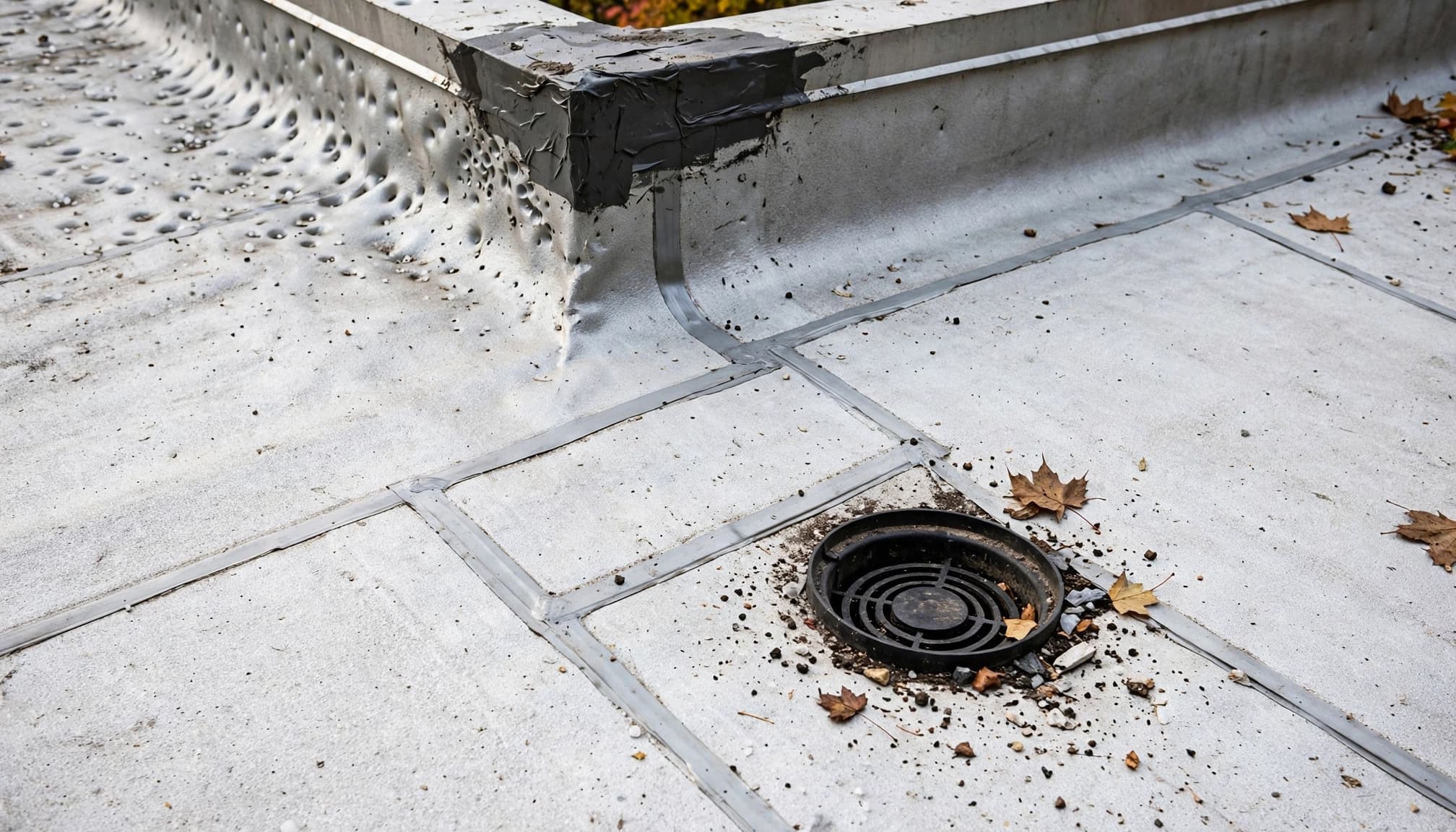
TPO roofing and EPDM can fail at seams, terminations, flashings, drains, and parapet walls. Modified bitumen and BUR systems may show torn plies, failed laps, blisters, or concealed moisture. A commercial roof inspection should identify the membrane type, point of entry, and spread of wet materials.
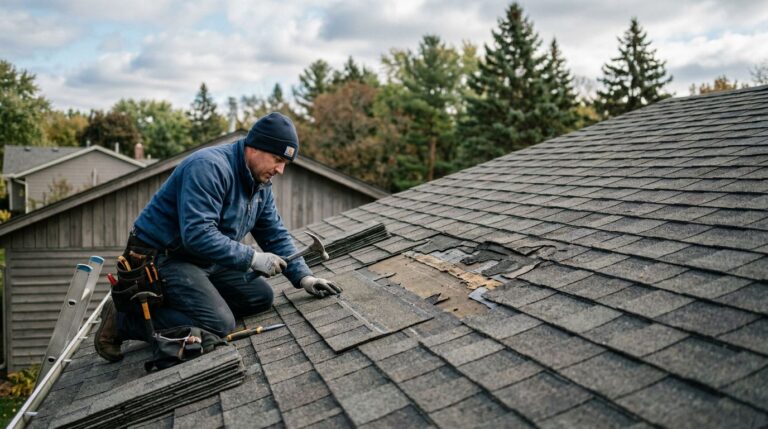
Steep-slope sections need a different review. Asphalt shingles can lose tabs or granules, while metal roofing may have damaged seams, clips, coatings, or flashing.
Repair, restoration, or replacement must fit the damage
Localized damage with dry insulation may support commercial roof repair. Commercial roof restoration or commercial roof coatings can extend the life of a sound aging roof, but they do not fix saturated insulation, open seams, or a failed deck.
Widespread moisture or repeated membrane failure can support commercial roof replacement. Get a Free Commercial Roof Inspection before approving permanent work or relocating tenants for longer than necessary.
A Minnesota Claim Needs a Clean Record
Local weather changes the evidence
Saint Paul roofing, Minneapolis roofing, and broader Twin Cities roofing claims often involve freeze-thaw cycles, snow loads, wind-driven rain, and hail. Minnesota roofing documentation needs dates, weather details, photos, maintenance records, moisture findings, and a cause-based repair scope.
Sellers Roofing Company uses union-built roofing crews, including IUPAT Local 96 roofers. The company is GAF certified and holds MN License 803862.
Final Takeaway
Tenant relocation insurance can pay after roof damage, but the claim must connect the covered event to the tenant’s move and the actual costs incurred. The strongest file separates old wear from fresh damage and temporary protection from permanent work.
Document first, stabilize second, and match every claimed cost to the policy coverage that pays it.
Frequently Asked Questions
Does the tenant’s policy pay for lost sales?
Usually, the tenant’s business income coverage addresses lost revenue and continuing expenses. The building owner’s policy may cover building repairs and lost rent, but it does not automatically replace a tenant’s sales.
Can a landlord recover unpaid rent?
Possibly. Rental value or loss-of-rents coverage may pay actual lost income while covered roof damage makes a unit untenantable. Lease terms, vacancy clauses, and the restoration period can limit payment.
Does roof damage always require replacement?
No. A limited puncture or flashing failure may need commercial roof repair only. Broad wet insulation, failed seams across connected areas, or repeated leaks may support commercial roof replacement.
Should permanent repairs wait for the adjuster?
Stop active water immediately, but keep work temporary when possible. Early tear-off or coating can remove proof of a storm-created opening, wet insulation, or failed materials.
Do the same rules apply to homes?
The cause-and-documentation rules are similar. A residential roof repair may handle isolated damage, while widespread storm damage can require residential roof replacement. Homeowners should keep receipts, photos, and damaged materials for the claim.
Need a roof inspection in Saint Paul or the Twin Cities? Call Sellers Roofing Company at +1-651-703-2336 or schedule a free estimate. We are a black-owned, NMSDC-certified MBE roofing contractor with 9+ years experience.